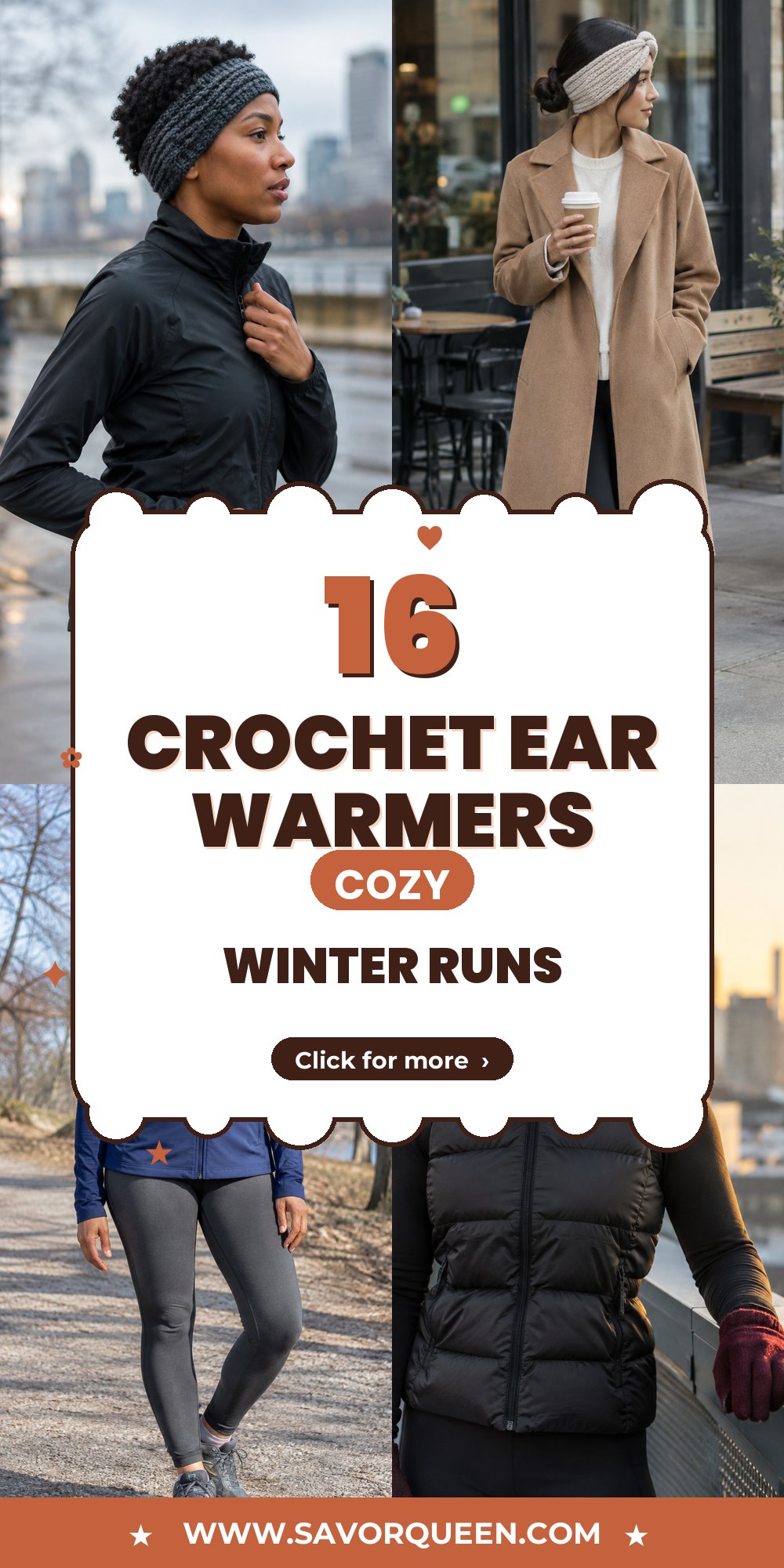
Crochet ear warmers are a smart winter layer for women who run in cold, windy weather but still want a neat, low-bulk finish. This list covers 16 cute crochet ear warmers in different stitches, yarn weights, and fits, from slim performance bands to softer twist-front styles. Each idea includes practical details so the final piece feels warm at the ears, stays secure, and still looks polished with running jackets, puffer vests, and post-run layers.
Use the list to choose by climate, hair style, and activity level. Look for stretchy stitches, washable fibers, and widths that cover the ears without slipping into the eyes. For winter runs, cotton is usually too cold, so favor wool blends, acrylic blends, or merino for warmth and easy care. A good ear warmer should sit snugly, dry quickly, and pair with a ponytail, bun, or braid without adding bulk.
In this post
Cute Crochet Ear Warmer Designs For Winter Runs
1. Ribbed Crochet Ear Warmers in Charcoal
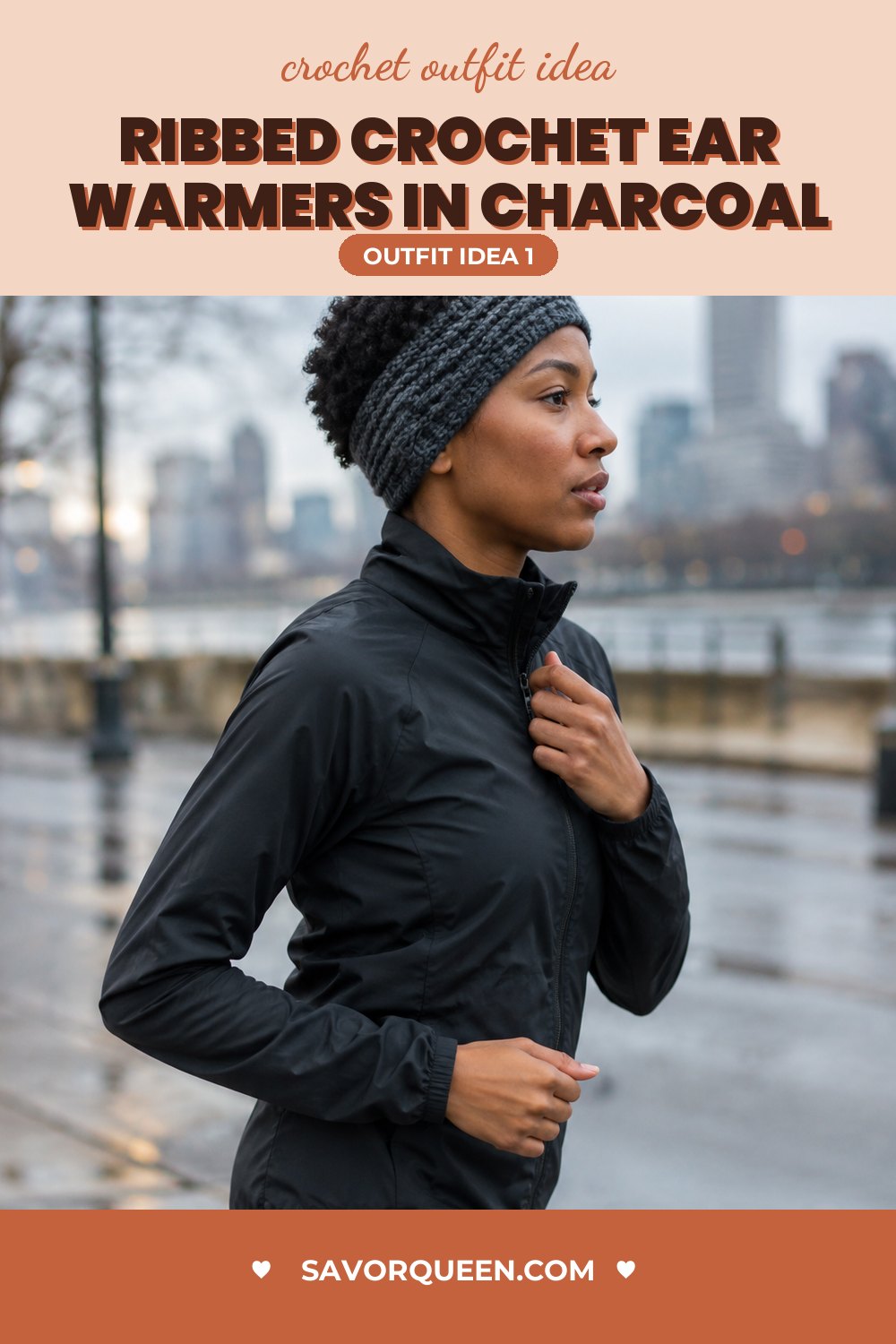
This slim ear warmer uses back loop half double crochet for a firm, stretchy rib that grips the head without feeling tight. A worsted weight wool-acrylic blend on a 5 mm hook gives structure and warmth, while the charcoal color keeps it practical with black leggings, reflective jackets, and running gloves. The construction stays narrow through the crown and slightly wider over the ears, which helps block wind without overheating on a steady run.
Quick notes: yarn worsted wool-acrylic blend, hook 5 mm, skill level beginner.
Wear it with a zip-neck base layer, black tights, and a bright shell for early-morning miles or after-work loops. The clean ribbed texture suits a low ponytail or braid. If the band relaxes after wear, block it gently and check the length before seaming so it stays secure at the temples.
2. Twist-Front Ear Warmers in Oatmeal
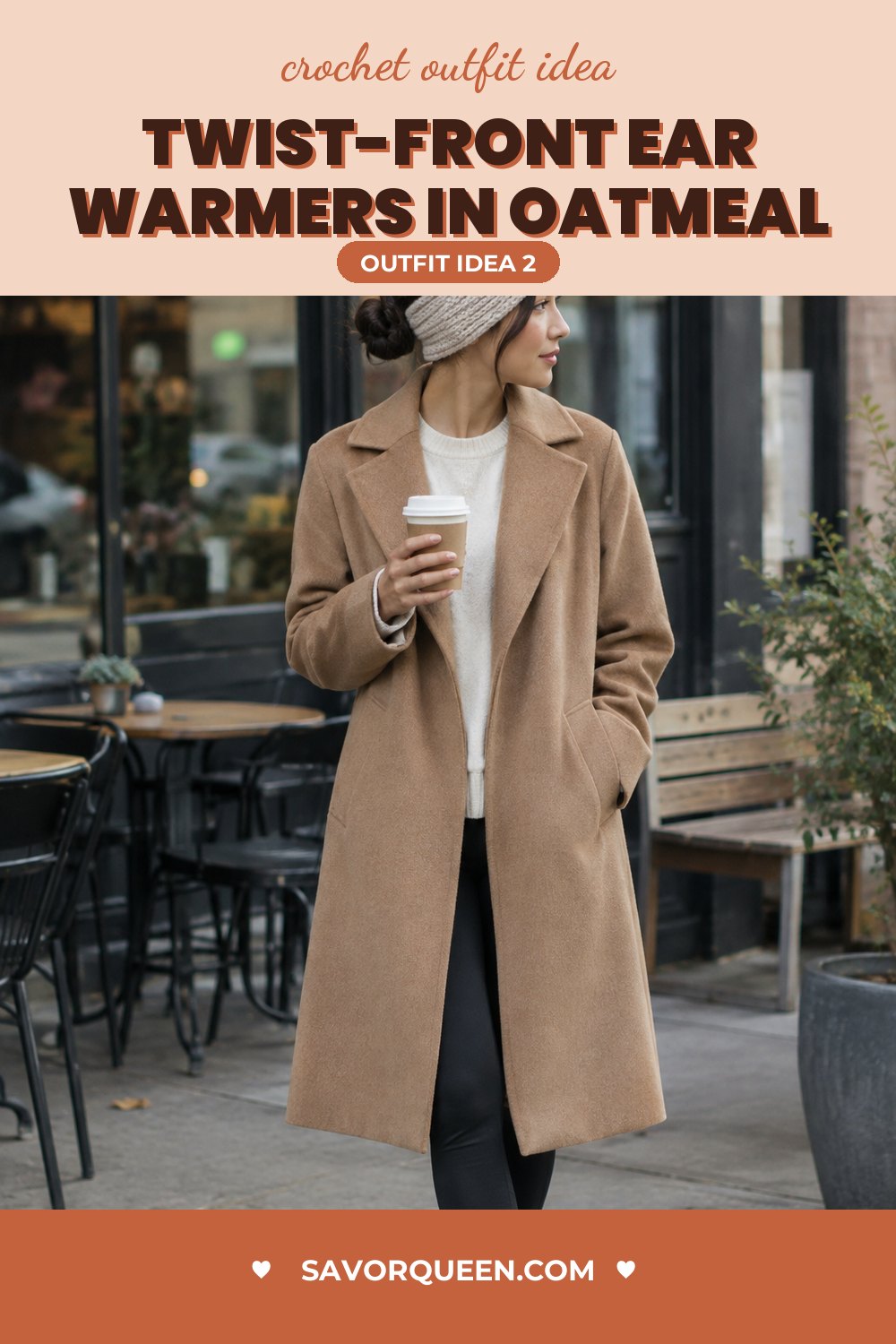
This twist-front design uses extended single crochet for a smooth fabric with a little stretch, then folds at the center for a soft knot shape. A sport-weight merino blend on a 4 mm hook gives a close, lightweight feel that still warms the ears. Oatmeal reads soft and neutral, working with cream puffers, tan coats, and muted training sets. The twist adds interest without making the band bulky at the forehead.
Quick notes: yarn sport merino blend, hook 4 mm, skill level easy.
Style it with a long-sleeve base layer, tapered joggers, and a taupe scarf for coffee runs or weekend errands after training. The pale color looks best when kept clean, so choose a washable yarn and steam lightly rather than over-blocking. If the twist feels too tall, reduce the fold depth before sewing the center.
3. Cluster Stitch Ear Warmers in Forest Green
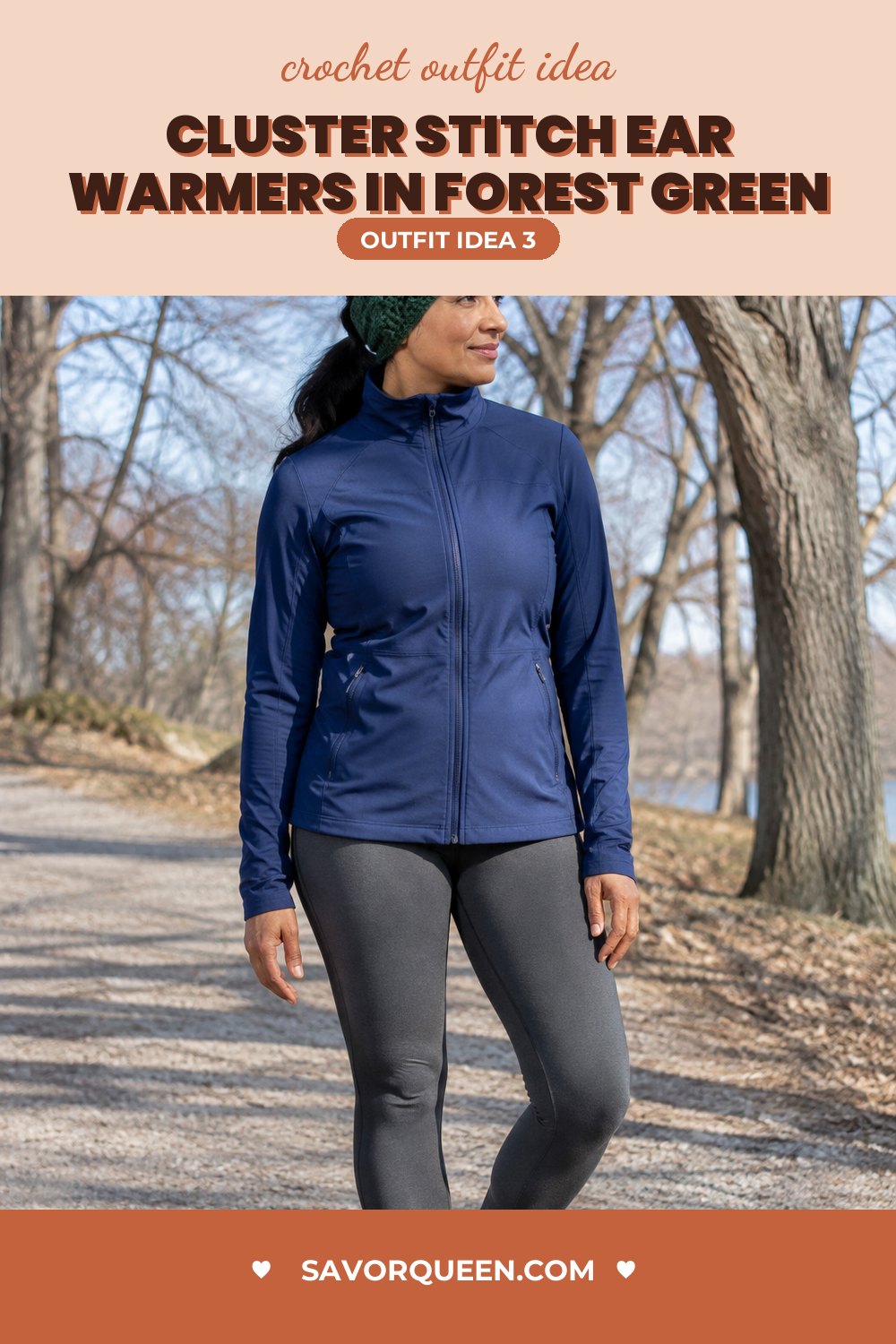
Cluster stitch gives this ear warmer a plush, textured surface that traps warmth without becoming heavy. A DK wool blend on a 4.5 mm hook creates a compact fabric with enough stretch for active wear. Forest green feels grounded and pairs well with navy jackets, gray thermals, and trail shoes. The band can be shaped slightly wider at the ears and narrower at the back for a balanced fit on long runs.
Quick notes: yarn DK wool blend, hook 4.5 mm, skill level intermediate.
Wear it with a technical jacket and fleece-lined tights for park laps or wooded trail runs. The rich green looks especially good with brown hair, but it also softens bright outerwear. Use a yarn with some elasticity so the clusters do not flatten after washing, and lay flat to dry to keep the texture full.
4. Waffle Stitch Ear Warmers in Deep Plum
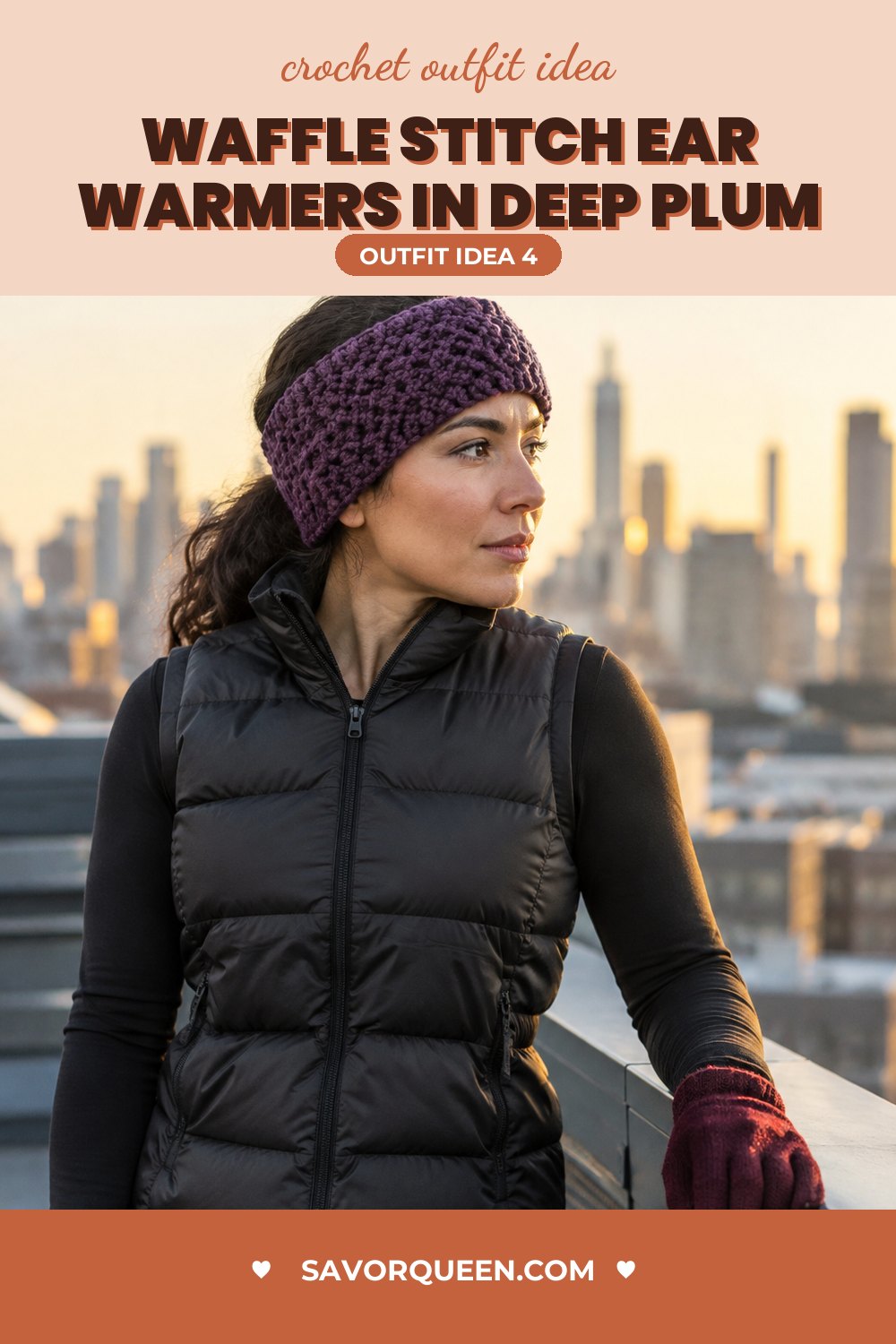
The waffle stitch creates a cushioned surface with small pockets of warmth, making this a strong choice for windy routes. Worsted weight acrylic-wool blend on a 5.5 mm hook keeps the band warm and easy to wash after sweaty sessions. Deep plum adds a richer note that works with black, burgundy, and slate outerwear. A medium width across the ears gives more coverage without turning heavy.
Quick notes: yarn worsted acrylic-wool blend, hook 5.5 mm, skill level intermediate.
Pair it with a long puffer, black leggings, and a simple crewneck for evening runs or cool-down walks. The textured fabric can stretch slightly with wear, so keep the length short enough to stay anchored at the hairline. If the waffle rows feel too tall, reduce the number of repeats and check fit before joining.
5. Moss Stitch Ear Warmers in Mulberry
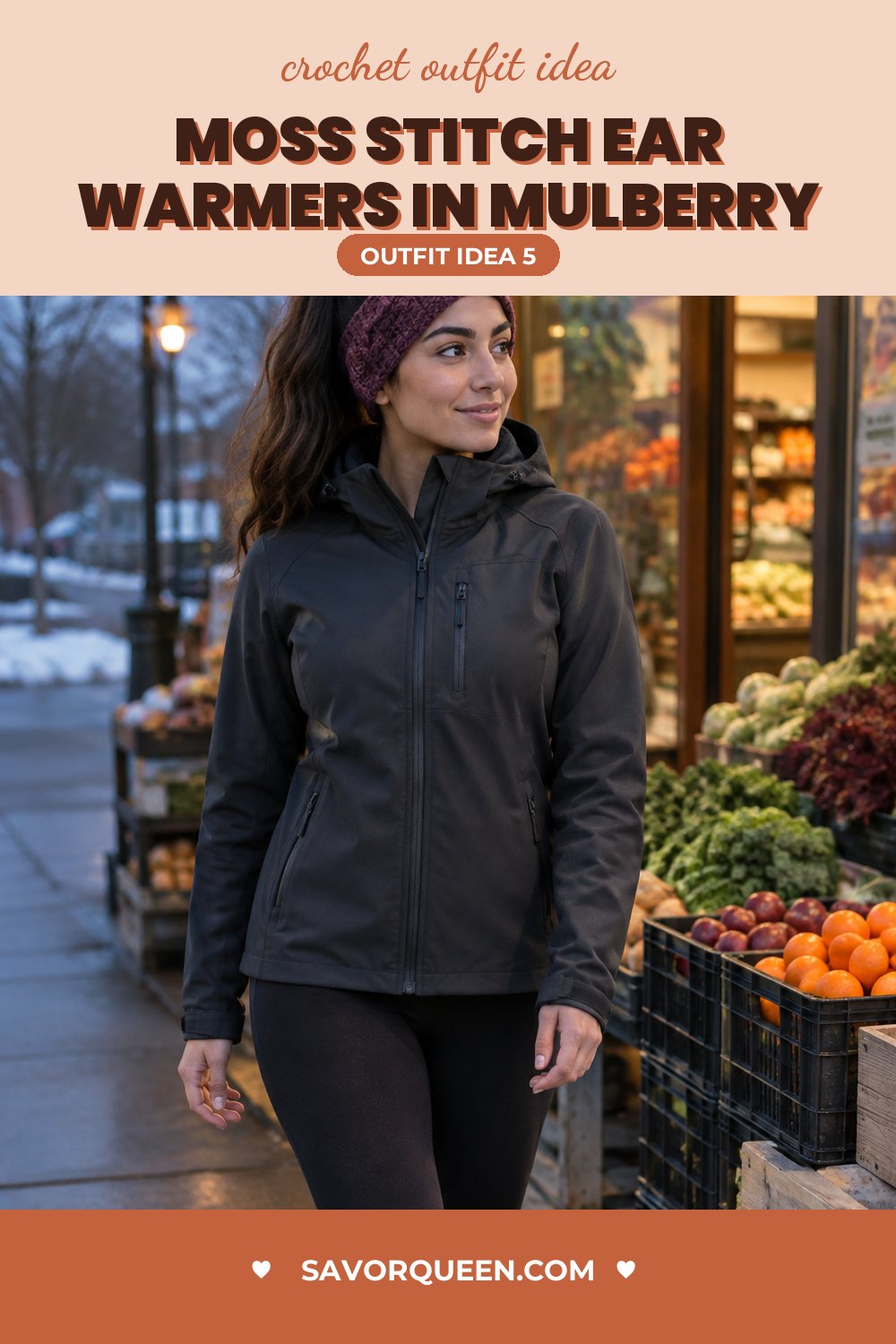
Moss stitch makes a flat, tidy fabric with a subtle woven look, ideal when a runner wants warmth without a chunky profile. A sport-weight merino nylon blend on a 3.75 mm hook gives a close fit and quick dry time. Mulberry adds color without feeling too bright, and the even stitch pattern keeps the band neat under hoods or ear-covering hats. This shape works well for those who want something lighter than a full hat.
Quick notes: yarn sport merino-nylon blend, hook 3.75 mm, skill level easy.
Wear it with a softshell jacket, high-rise tights, and a fleece neck gaiter for long runs in damp weather. The thinner fabric is best when sized closely, so measure around the head just above the ears and subtract a little stretch. For washing, choose a wool wash and reshape while damp to keep the edges straight.
6. Seed Stitch Ear Warmers in Heather Gray
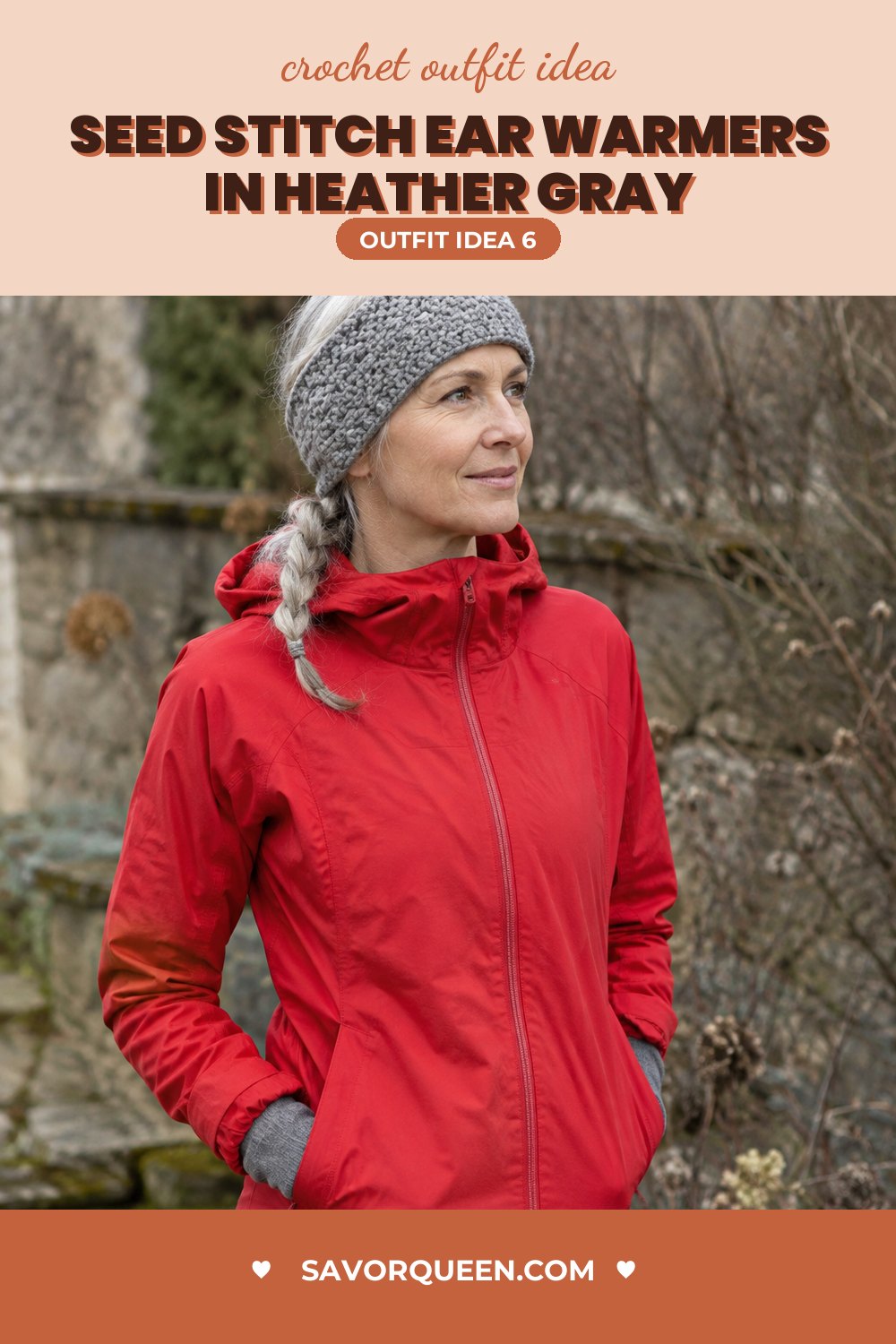
Seed stitch gives this ear warmer a small, pebbled texture that feels neat and flexible. A DK acrylic-wool blend on a 4 mm hook creates a balanced fabric for cold morning miles. Heather gray makes styling simple, matching almost any running set while still looking more polished than plain black. The band can be kept narrow and slightly tapered at the back for a close fit around the head.
Quick notes: yarn DK acrylic-wool blend, hook 4 mm, skill level easy.
Pair it with a bright windbreaker, running shorts over thermal tights, or a longline running top for route-to-café mornings. Because seed stitch can use more yarn than expected, check yardage before starting and leave enough for a smooth seam. If the band feels loose after a few wears, shorten the final join by one or two stitches.
7. Braid Stitch Ear Warmers in Dusty Rose
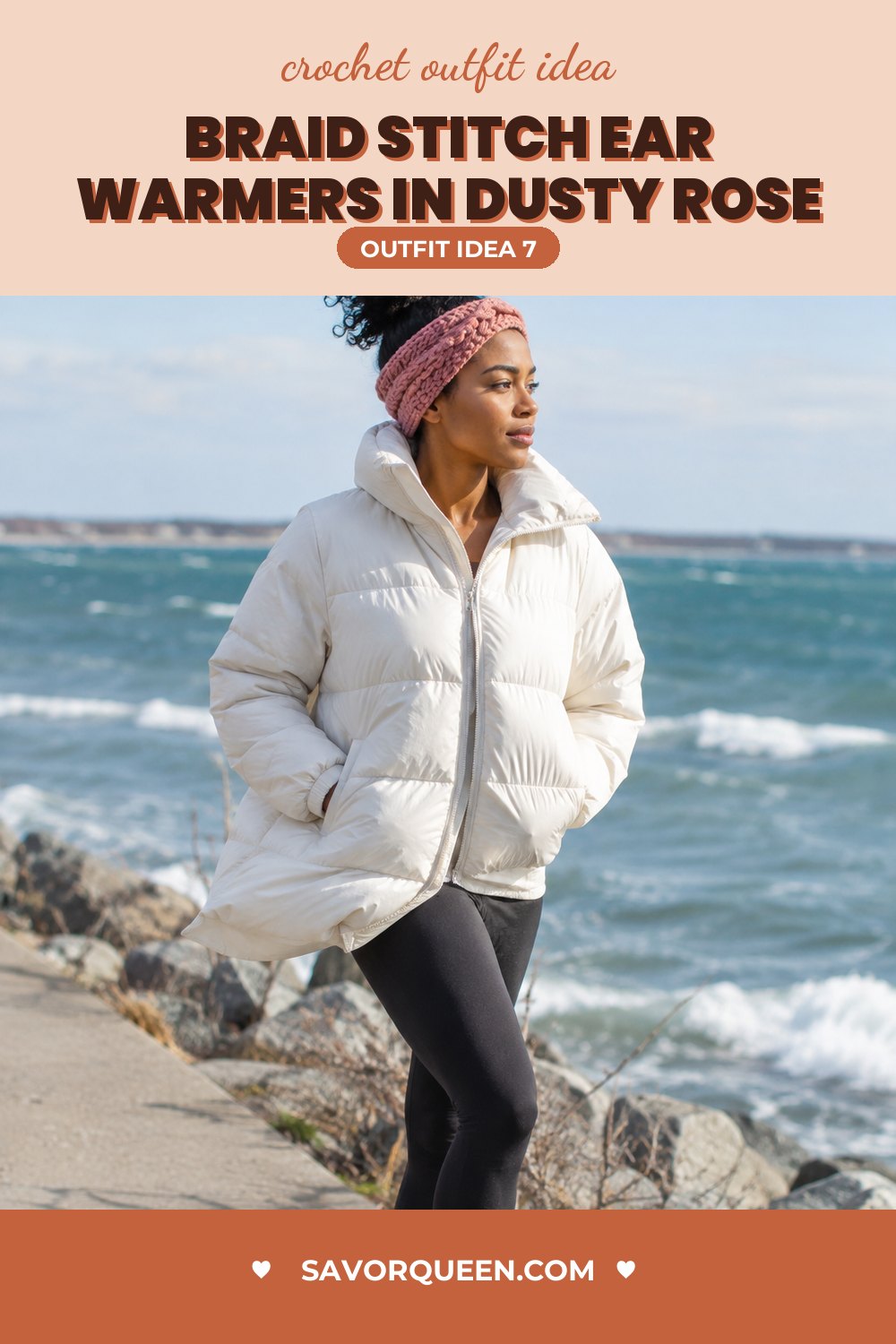
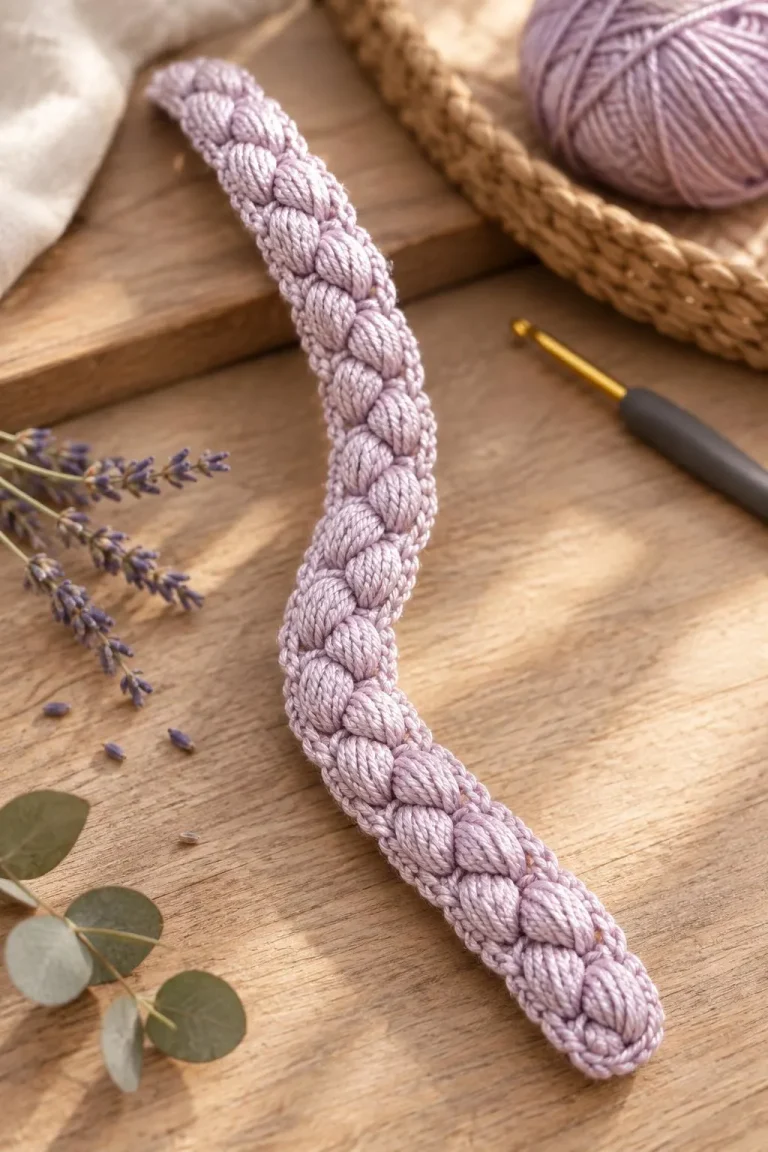
Braid stitch gives the front of this ear warmer a layered, woven look that reads more detailed than plain ribbing. A worsted cotton-acrylic blend with a 5 mm hook keeps the fabric sturdy yet soft against the ears. Dusty rose adds a gentle color that works with ivory coats, black leggings, and taupe layers. The design should stay relatively slim so it does not interfere with sunglasses or a running visor.
Quick notes: yarn worsted cotton-acrylic blend, hook 5 mm, skill level intermediate.
Style it with a long puffer, fleece-lined tights, and a slim crossbody for errands before or after a run. The subtle pink tone looks fresh in gray weather and suits both dark and light hair. Since braid stitch can tighten after blocking, test the fit before finishing and give it a light steam if the edges curl.
8. Cable Twist Ear Warmer in Sapphire
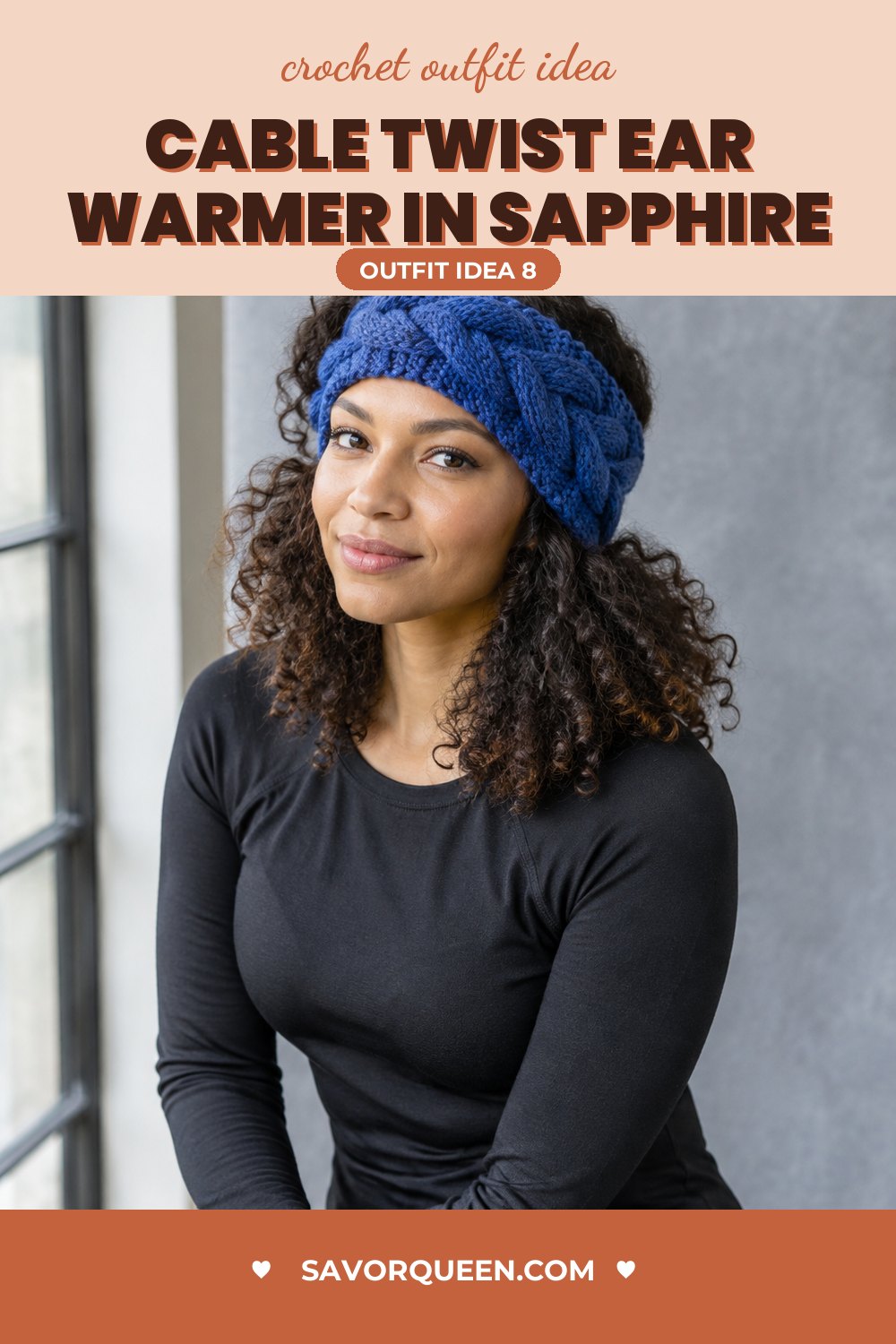
A simple cable twist down the center gives this ear warmer a classic winter feel. Use a bulky merino-acrylic blend on an 8 mm hook for a dense, warm band that works fast and holds shape well. Sapphire brings strong color to gray running outfits and pairs especially well with silver jewelry after the workout. The cable panel should stay centered while the sides use a stretchy stitch for comfort.
Quick notes: yarn bulky merino-acrylic blend, hook 8 mm, skill level intermediate.
Wear it with a long-sleeve thermal top, black fleece leggings, and a down jacket for colder, slower runs. The bold color looks best when the rest of the outfit stays simple. If the cable section curls inward, block the band flat and avoid over-tightening the side seam.
9. Basketweave Ear Warmers in Sand
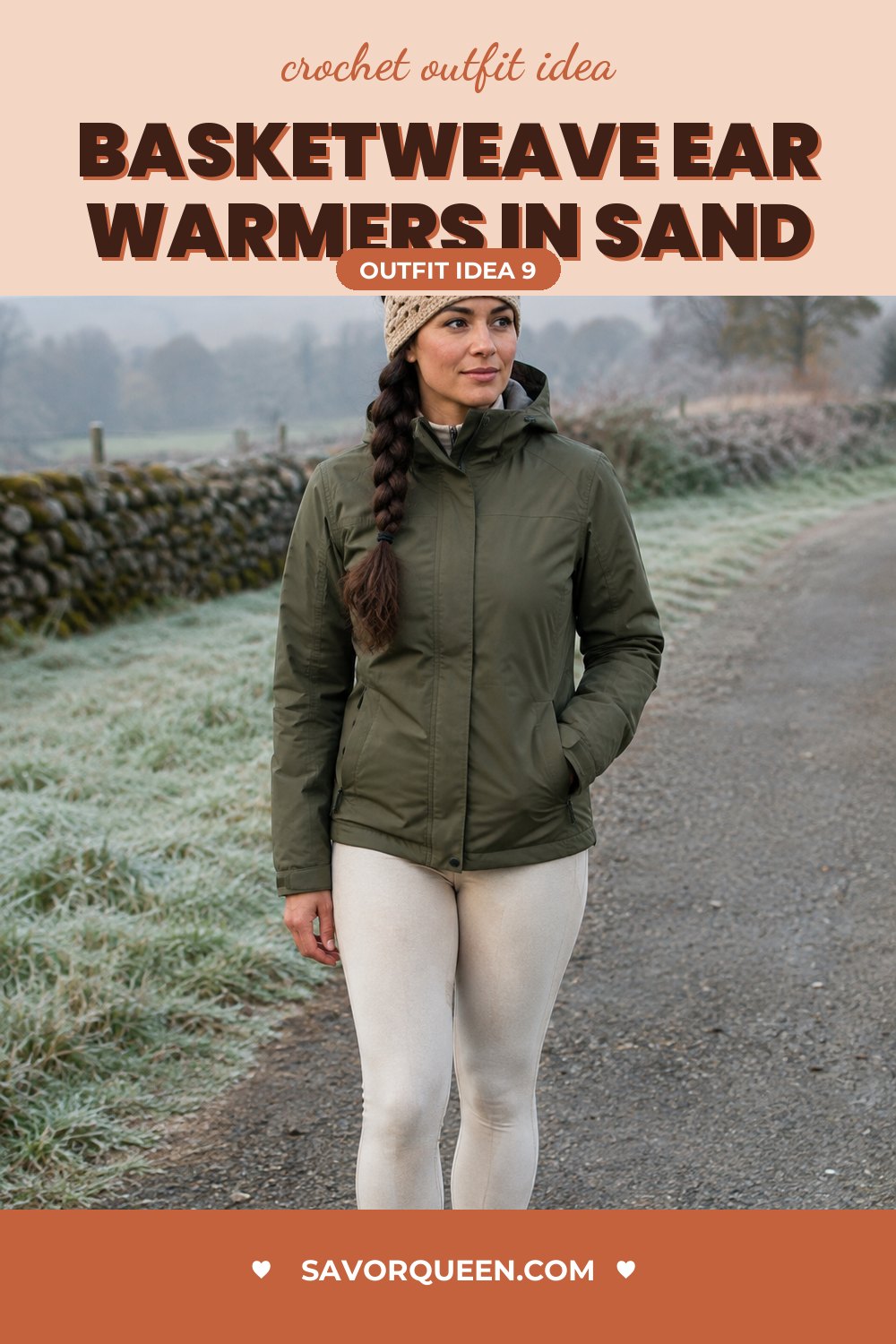
Basketweave stitch creates a squared, tailored look that feels polished and substantial. A worsted alpaca-wool blend on a 5.5 mm hook gives soft insulation with a firm surface. Sand is an easy neutral for beige parkas, olive shells, and cream scarves. The width can be slightly extra over the ears, then narrowed at the back to keep the band secure during movement.
Quick notes: yarn worsted alpaca-wool blend, hook 5.5 mm, skill level intermediate.
This style works well for colder training days, brisk walks, and coffee stops after a run. Pair it with layered neutrals and a sleek braid for a clean winter outfit. Because alpaca can relax with wear, choose a blend rather than pure alpaca and let it dry flat after hand washing.
10. Diamond Stitch Ear Warmers in Teal
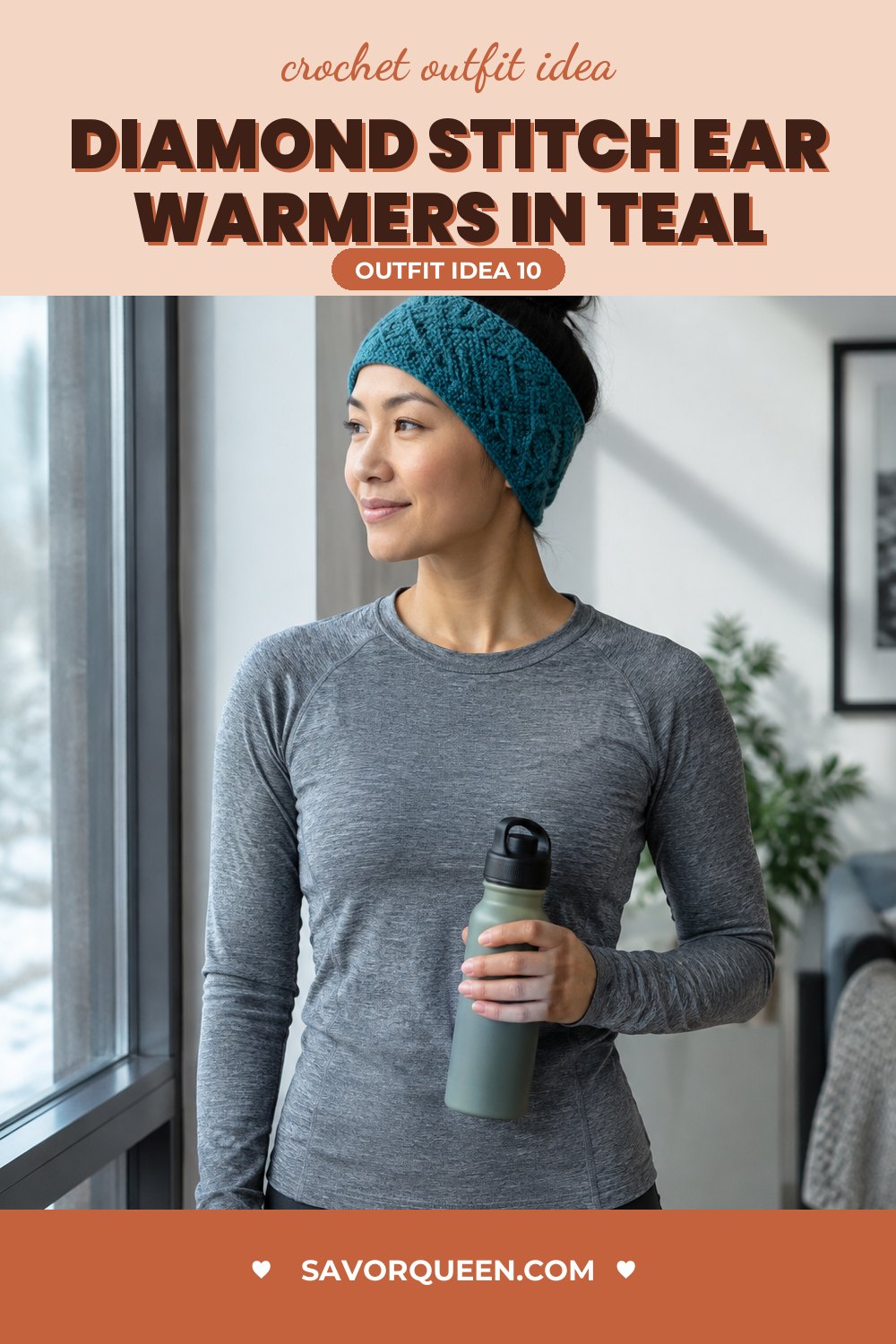
Diamond stitch gives this ear warmer a graphic, raised surface that feels modern without becoming bulky. A DK wool-acrylic blend on a 4.5 mm hook keeps the fabric dense enough for warmth but flexible enough for running. Teal adds a cool jewel tone that pairs well with black, navy, and silver-gray outerwear. Keep the band narrow enough to sit comfortably under a hood or beanie brim when the weather changes.
Quick notes: yarn DK wool-acrylic blend, hook 4.5 mm, skill level advanced.
Wear it with a monochrome running set and a reflective vest for early-morning routes. The patterned texture looks strongest when the yarn has a little twist, so choose a smooth DK blend rather than a fuzzy fiber. If the diamonds lose definition, damp block the piece on a flat surface and pat the shape into place.
11. Shell Stitch Ear Warmers in Cream
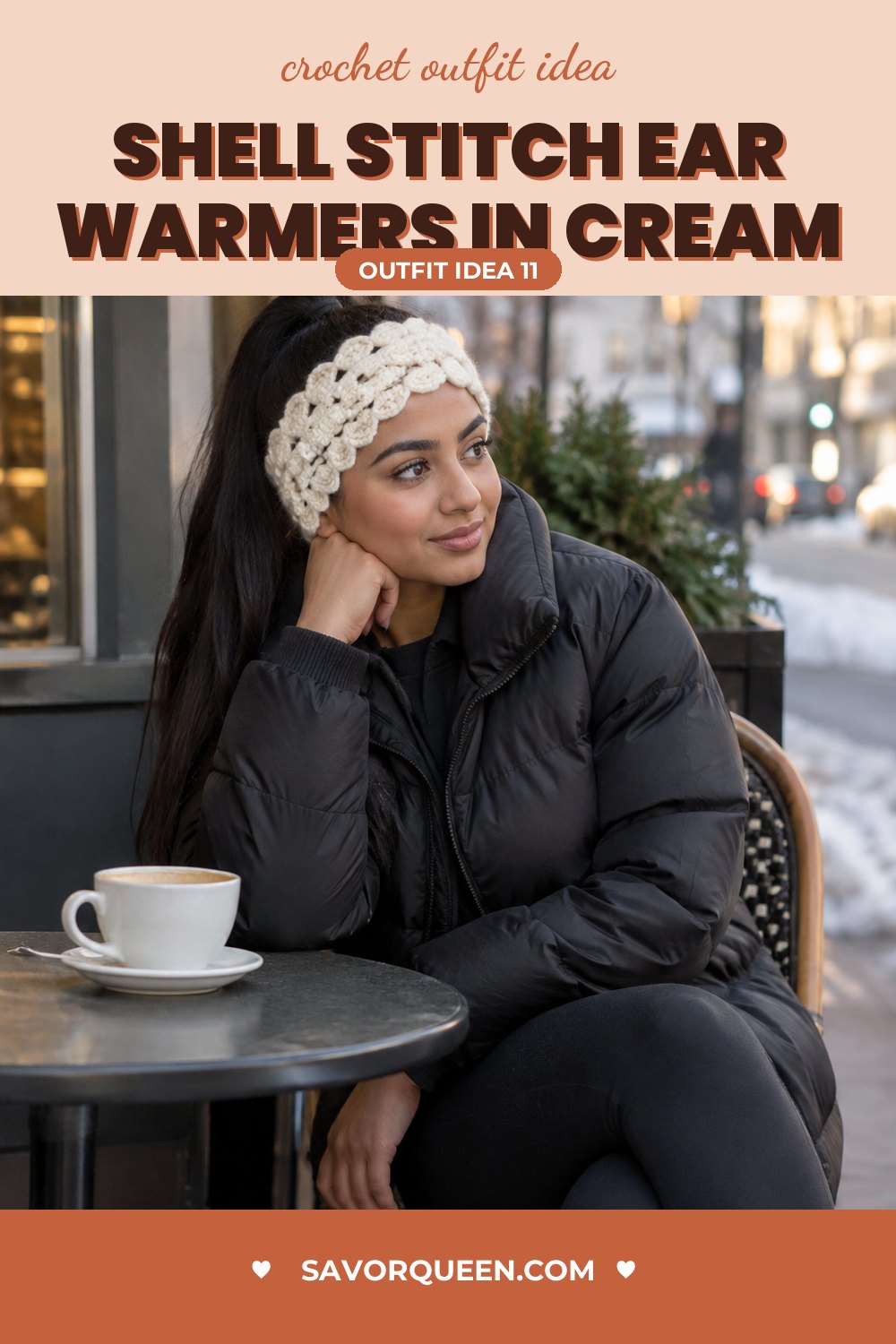
Shell stitch softens the look of this ear warmer with scalloped texture while still keeping the band compact. A sport-weight wool blend on a 4 mm hook makes a light but warming fabric, ideal for runners who dislike heavy headwear. Cream gives a fresh contrast with dark outerwear and adds a softer note to winter training layers. The band should be worked with enough stretch to sit flat against the forehead.
Quick notes: yarn sport wool blend, hook 4 mm, skill level easy.
Wear it with a black or navy puffer, high ponytail, and simple earrings for errands, warm-up walks, or a casual post-run brunch. The pale color highlights the shell texture, so keep seams neat and edges even. If the yarn pills easily, use a tighter hook and choose a smooth spun blend.
12. Herringbone Ear Warmers in Burgundy
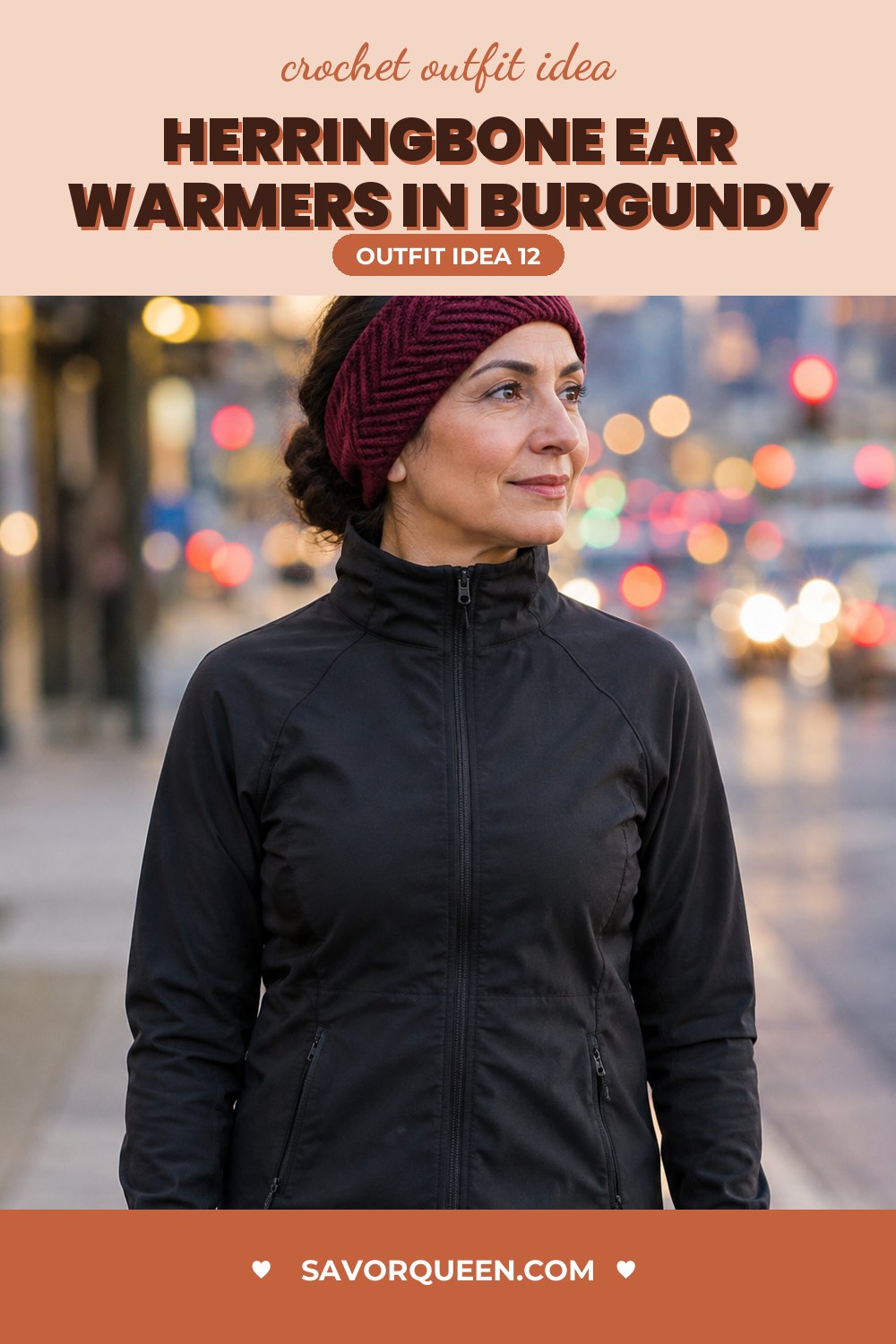
Herringbone half double crochet gives this ear warmer a slanted, tailored texture that looks sleek from every angle. A worsted merino-acrylic blend on a 5 mm hook offers warmth and resilience for frequent wear. Burgundy works with black, camel, and slate outer layers, adding color without looking loud. The band should be fitted closely at the back so the front stays centered during movement.
Quick notes: yarn worsted merino-acrylic blend, hook 5 mm, skill level intermediate.
Style it with a fitted running jacket, black gloves, and slim tights for city loops or treadmill warm-ups before a gym session. The stitch line looks especially sharp when the yarn is smooth and tightly spun. If the band twists after use, check that the join is not too loose and make the seam flat.
13. Garter Stitch Ear Warmers in Storm Blue
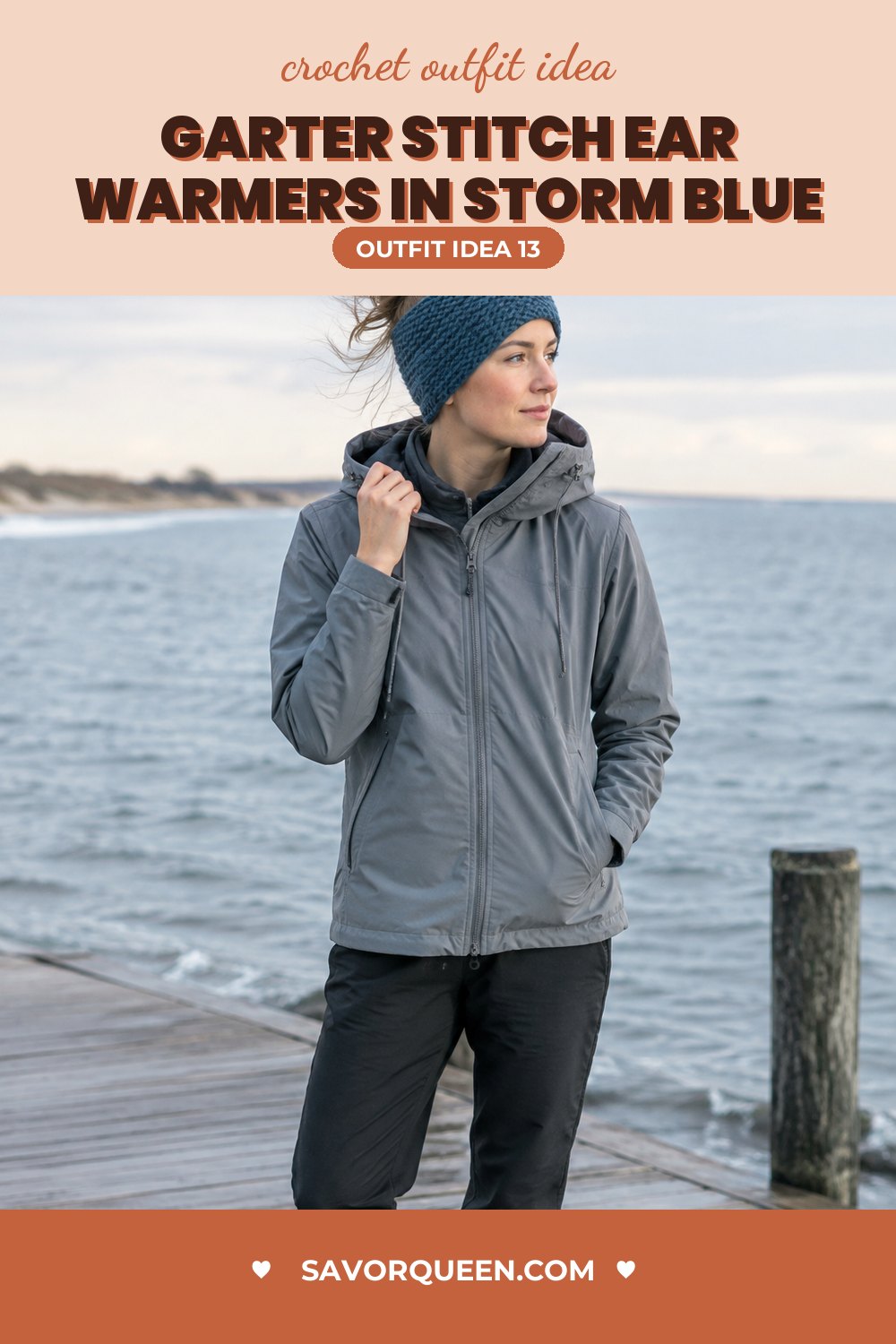
Garter stitch works well in crochet when imitated with ridged rows, creating a soft, low-profile band that stays comfortable under a hood. A lightweight wool blend on a 4 mm hook makes a flexible ear warmer that is warm without being bulky. Storm blue feels calm and practical, matching gray, black, and white sportswear. This is a strong option for runners who want simplicity and a smooth forehead line.
Quick notes: yarn lightweight wool blend, hook 4 mm, skill level beginner.
Wear it with a hooded windbreaker and fleece joggers on cold, damp routes. The understated texture means fit matters more than decoration, so measure carefully and keep the width just enough to cover the ears. For extra comfort, use a soft seam method so nothing rubs at the back of the head.
14. Textured Chevron Ear Warmers in Rust
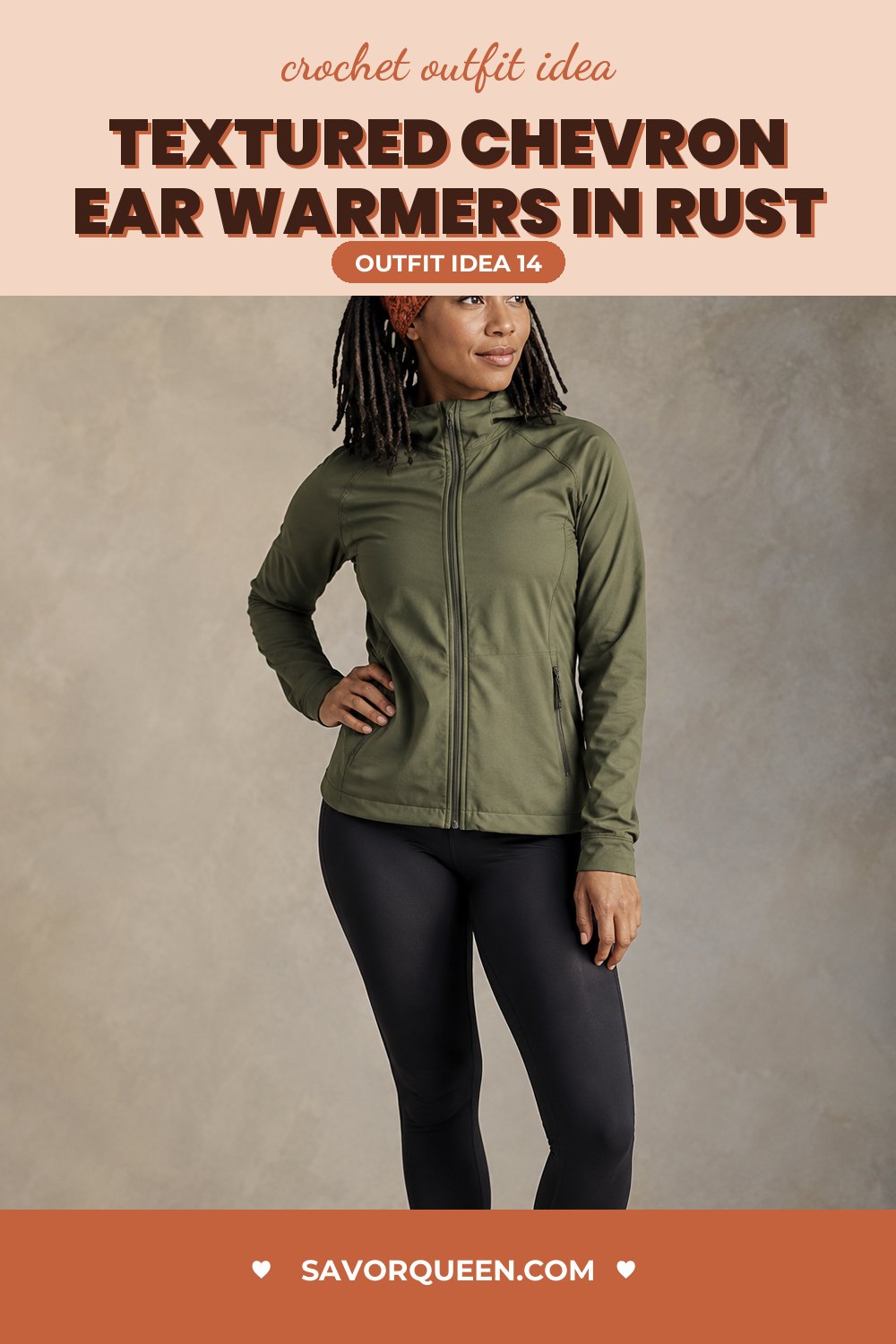
Chevron ridges add movement to this ear warmer without making it too thick. A worsted wool blend on a 5 mm hook gives a sturdy band with enough give for active wear. Rust brings warmth to winter outfits and looks strong with olive, cream, and black layers. The pattern benefits from clear stitch contrast, so choose a yarn with a smooth surface and a solid colorway.
Quick notes: yarn worsted wool blend, hook 5 mm, skill level intermediate.
Style it with an olive running jacket, black thermal tights, and a relaxed bun for trail paths or weekend errands. The zigzag line creates interest, so keep the rest of the outfit simple. If the edges ripple, steam lightly and pin the band flat while it dries.
15. Lace Panel Ear Warmers in Heather Mauve
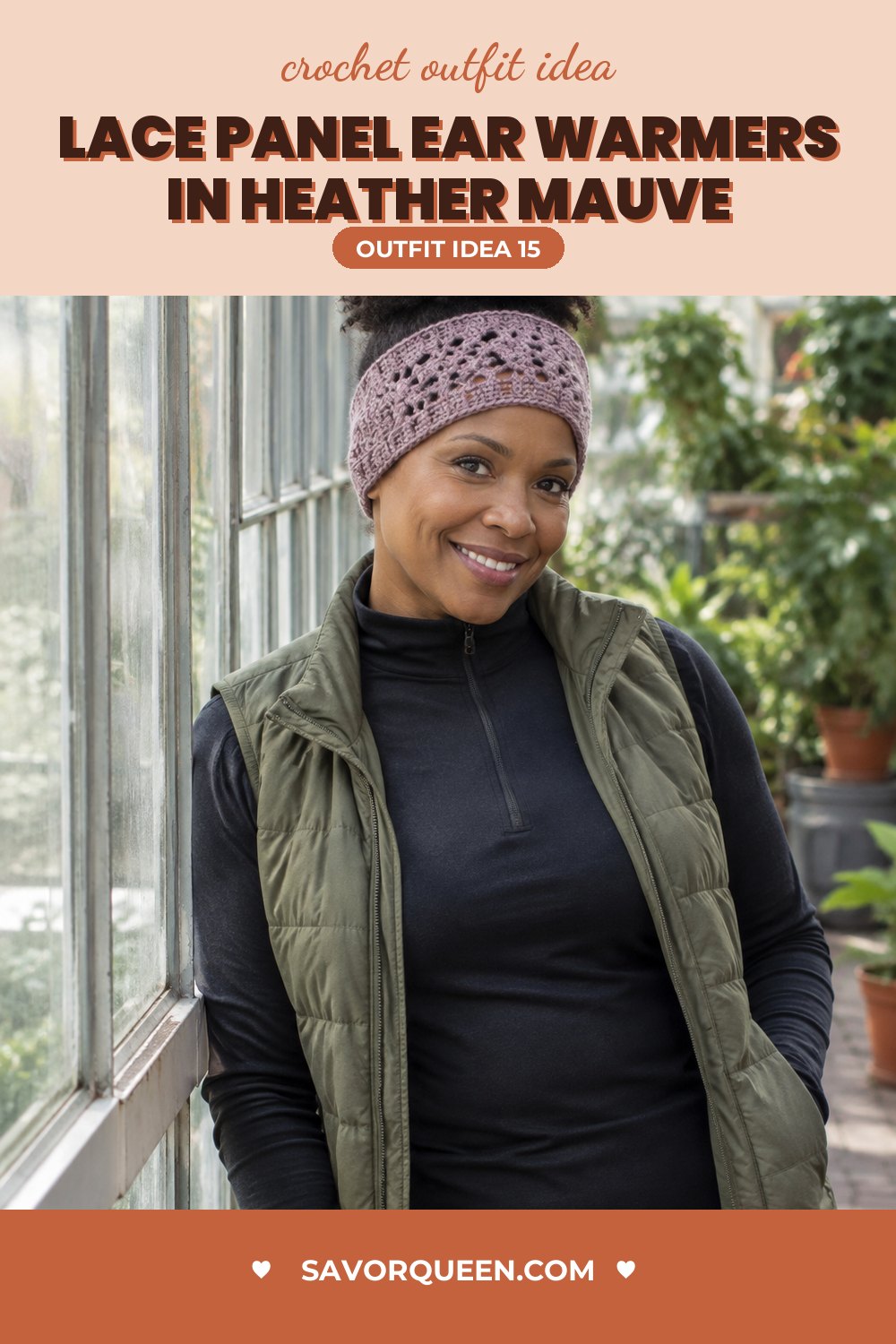
A narrow lace panel down the center keeps this ear warmer airy while ribbed sides hold it in place. Use fingering weight merino-silk blend with a 3.5 mm hook for a light piece that still guards the ears on crisp days. Heather mauve feels soft and feminine without turning delicate-looking. The openwork should stay centered, with the sides firm enough to keep the band in place during a steady run.
Quick notes: yarn fingering merino-silk blend, hook 3.5 mm, skill level advanced.
Wear it with a fitted fleece top and lightweight vest when the temperature sits just above freezing. The lace detail suits runs that end at brunch or coffee, where a softer outfit matters. Because lace can stretch with wear, block to the exact size you want and avoid over-tensioning the center section.
16. Honeycomb Ear Warmers in Camel
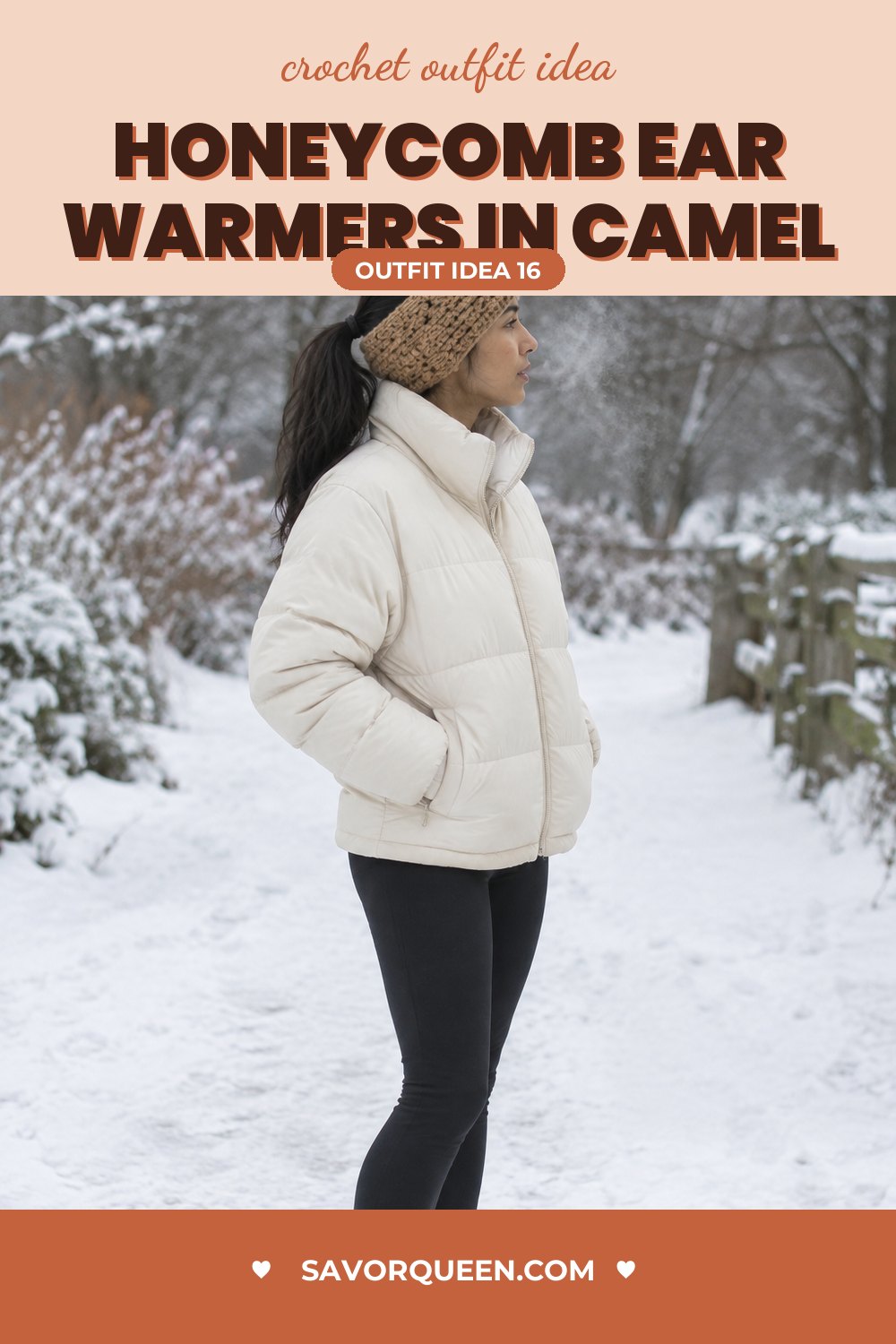
Honeycomb stitch creates a dense, cushioned surface that feels substantial on cold, blustery routes. A bulky acrylic-wool blend on a 9 mm hook works quickly and gives a thick band with clear texture. Camel is an easy winter neutral, pairing with cream scarves, dark parkas, and taupe gloves. The fit should be wide enough to cover the ears fully while still sitting flat under a hood.
Quick notes: yarn bulky acrylic-wool blend, hook 9 mm, skill level easy.
Pair it with a long puffer, fleece-lined leggings, and tall socks for very cold days or travel mornings. The thicker fabric is best for low- to moderate-intensity runs, not heat-heavy intervals. Because bulky yarn can grow slightly after wear, keep the finished band a touch shorter than expected.
How to choose, make and care for these
Choose stretch before texture
For winter runs, the best crochet ear warmers need enough give to stay put without squeezing. Ribbing, moss stitch, and extended single crochet usually stretch more than dense cables or shells. Measure around the head just above the ears, then check the finished band against that number before seaming. A snug fit matters more than a tall band, especially if hair is worn in a bun or ponytail.
Pick washable warm fibers
Wool blends and acrylic blends are practical for sweat, wind, and repeated wear. Merino feels softer against the skin, while wool-acrylic mixes often hold shape well and dry faster. Cotton is usually too cool for most winter runs unless the weather is mild. For frequent use, choose yarn that can be washed gently and laid flat to dry so the ear warmer keeps its shape.
Keep the profile low
A winter running ear warmer should cover the ears without adding bulk at the temples or back of the head. Narrow bands work well under hoods, while wider bands suit very cold weather. If the wearer uses headphones, sunglasses, or a visor, keep the stitch pattern flatter at the sides. A simple seam at the back often feels more comfortable than a bulky join.
Match the stitch to the route
For fast runs, smoother stitches like moss stitch, herringbone, or ribbing feel less bulky and stay comfortable under movement. For slower runs, trail walks, or very cold conditions, denser stitches like waffle, honeycomb, or cable twists give more warmth. The right stitch depends on pace as much as style. Keep the fabric dense, but not stiff.
Finish and care with shape in mind
A neat block can sharpen edges, even out stitch definition, and help the band sit flat. Light steam works well for many wool blends, while full soaking suits most washable fibers. Always reshape the band to the head measurement before drying. If the ear warmer is for active use, avoid decorative details that snag hair or catch on jacket hoods.
Frequently asked questions
What makes crochet ear warmers good for winter runs?
Crochet ear warmers cover the ears without trapping as much heat as a full hat, so they suit active winter movement. They also keep hair and ears protected from wind while leaving the top of the head open for better temperature control. Choose a stretchy stitch and a washable wool blend for the best balance of comfort and performance.
Which yarn works best for crochet ear warmers for runners?
Wool-acrylic blends, merino blends, and other washable warm fibers are usually the most practical. They hold warmth, dry faster than pure wool, and are easier to wash after sweaty runs. A sport or DK weight is often enough for mild to cold weather, while worsted or bulky works better for very low temperatures.
How wide should crochet ear warmers be for women?
Most women’s ear warmers work well at about 2.5 to 4 inches wide, depending on the stitch and the weather. Narrower bands feel lighter for running, while wider bands cover more of the ear and temple area. The right width also depends on hair volume, hood use, and whether the band will sit under sunglasses.
Can crochet ear warmers stay secure during a run?
Yes, if the band is sized snugly and made with a stitch that has enough recovery. Ribbed or moss stitch styles usually grip well, while very open lace works better when lined or tightened at the edges. A good fit should stay in place without needing to be adjusted every mile.
How do you style crochet ear warmers beyond running?
Crochet ear warmers also work with puffer coats, wool wraps, tall boots, and casual jeans on cold days. Neutral colors like charcoal, oatmeal, and heather gray are easy to wear with everyday outerwear, while plum, teal, or burgundy add color to winter outfits. Keep the rest of the look simple so the texture stands out.
More crochet ideas to save
These crochet ear warmers are easy to adapt for training days, errands, and cold-weather walks, especially when the stitch, yarn, and fit work together. For more cold-season styling ideas, related reads like “14 Elegant Crochet Clutch Looks For Evening Events“, “13 Cute Crochet Arm Warmer Designs For Office Days“, and “11 Boho Crochet Shawl Outfit Ideas For Special Occasions” can help round out the rest of the winter wardrobe.
Browse every design in the crochet patterns section, and learn the basics in how to crochet.