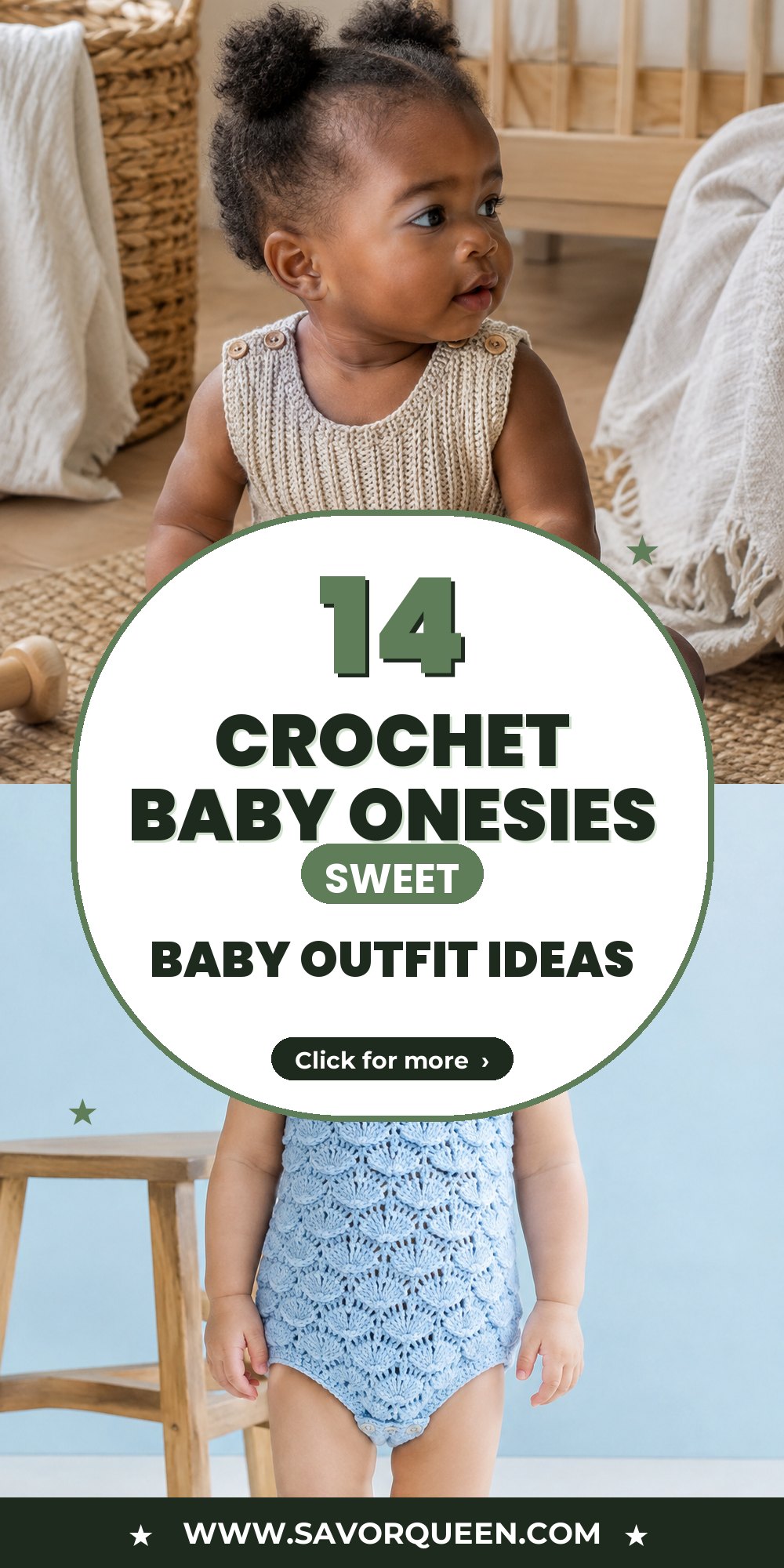
These crochet baby onesies ideas are for anyone who wants babywear that feels soft, looks polished, and stays practical for daily use. The list covers different stitch textures, yarn weights, and seasonal colour stories, from airy cotton for warm weather to cushier blends for cooler months. Each idea is shaped around a onesie silhouette, so you can focus on fit, comfort, and easy dressing.
As you read, look for the stitch pattern, fibre choice, hook size, and how the neckline, snap area, or straps are built. The best crochet baby onesies are simple to put on, gentle on skin, and easy to wash. Choose designs with clear shaping, secure closures, and colours that work with leggings, bloomers, cardigans, or a plain nappy cover.
In this post
Easy Crochet Baby Onesie Patterns To Try
1. Garter Rib Crochet Baby Onesie in Oat
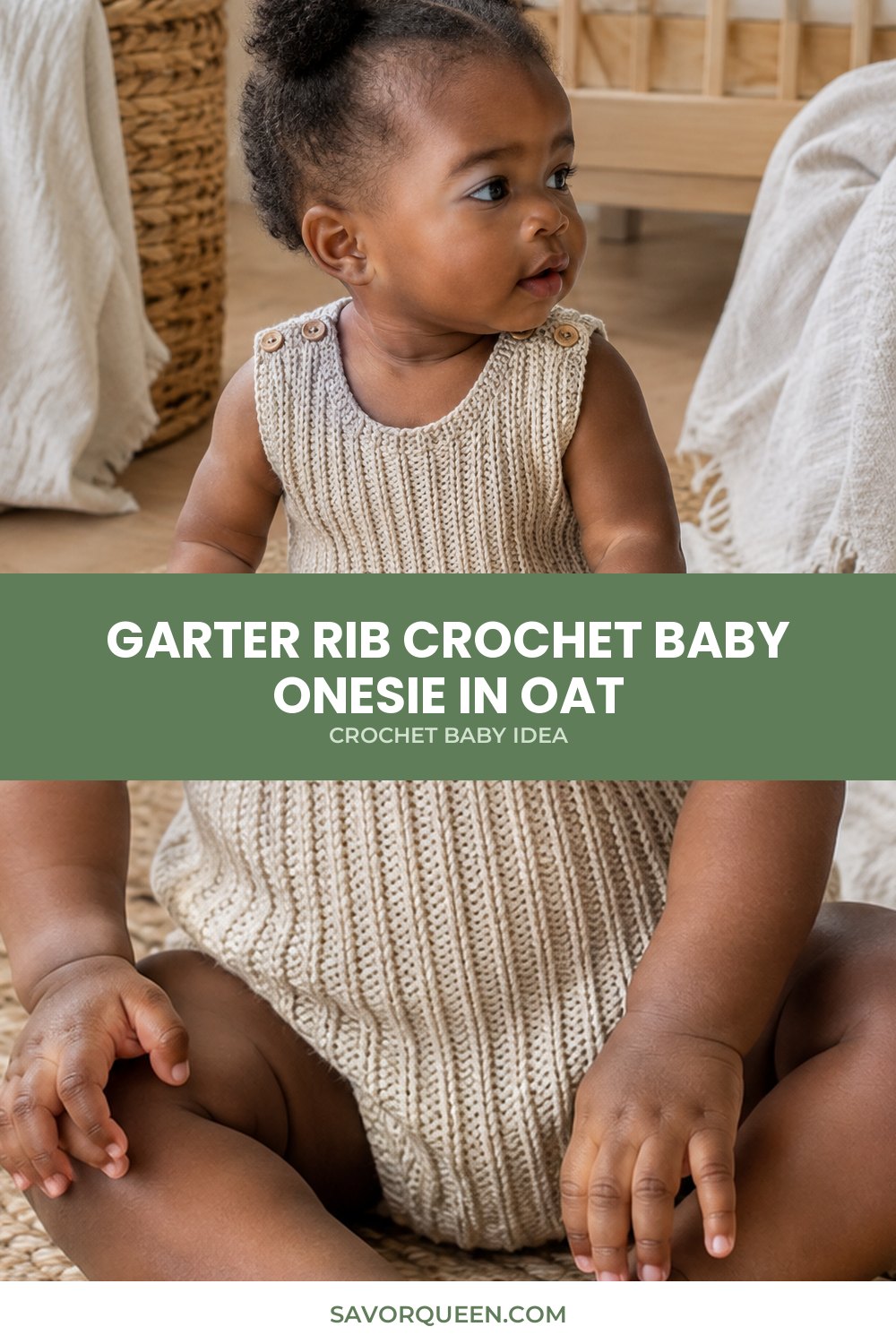
This crochet baby onesies idea uses a garter rib look made with half double crochet in the back loop, giving a soft vertical stretch that sits neatly on the body. DK cotton or a cotton-bamboo blend works well for warm days, with a 4 mm hook for a smooth, breathable fabric. The shape suits a relaxed fit with a button placket at the shoulders and a roomy crotch for easy changes. Keep the colour in warm oat or stone for a calm, modern baby look.
Quick notes: yarn DK cotton, hook 4 mm, skill level beginner.
Pair it with muslin bloomers, tiny knit socks, or a sun hat for park days and family brunches. The texture reads well on its own, so keep accessories simple. A practical tip: check the length through the torso before finishing the straps, since babies grow quickly and extra room through the rise makes dressing easier.
2. Shell Stitch Baby Onesie in Sky Blue
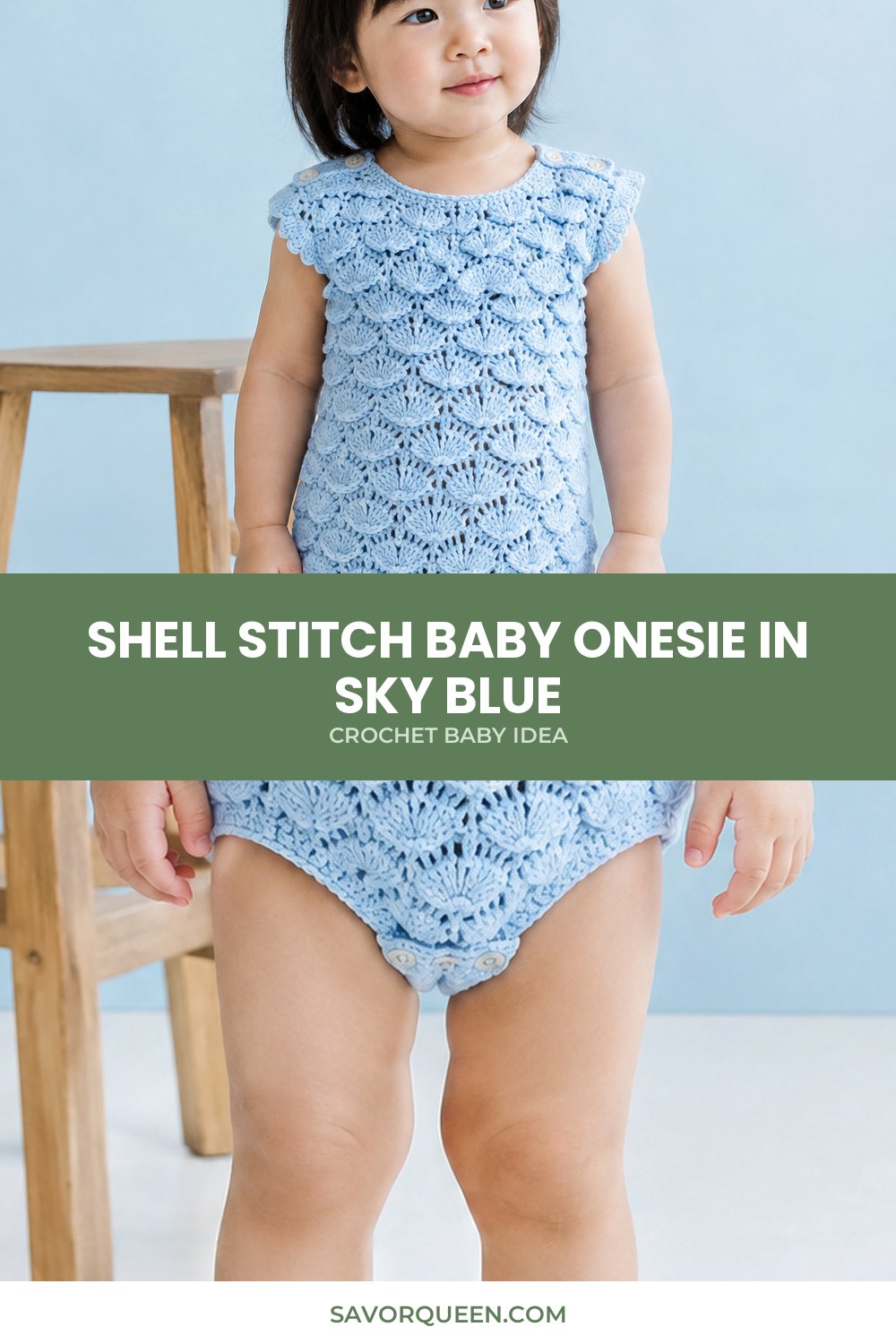
This one uses shell stitch at the yoke and lower body for a pretty, gently scalloped finish without bulky detail. Light DK cotton with a 4 mm hook gives enough drape for a comfortable baby onesie while keeping the shell pattern defined. The silhouette works best with short sleeves, a button-back opening, and snap closures at the gusset. Choose sky blue, white, or pale cloud grey for a soft nursery palette that still feels fresh.
Quick notes: yarn DK cotton, hook 4 mm, skill level easy.
Style it with a cotton bonnet for photos, or with leggings and soft crib shoes for a family visit. The shell texture does most of the visual work, so avoid busy add-ons. A practical tip: block the finished panels lightly so the shells open evenly and the edges lie flat before seaming.
3. Moss Stitch Onesie with Coconut Trim
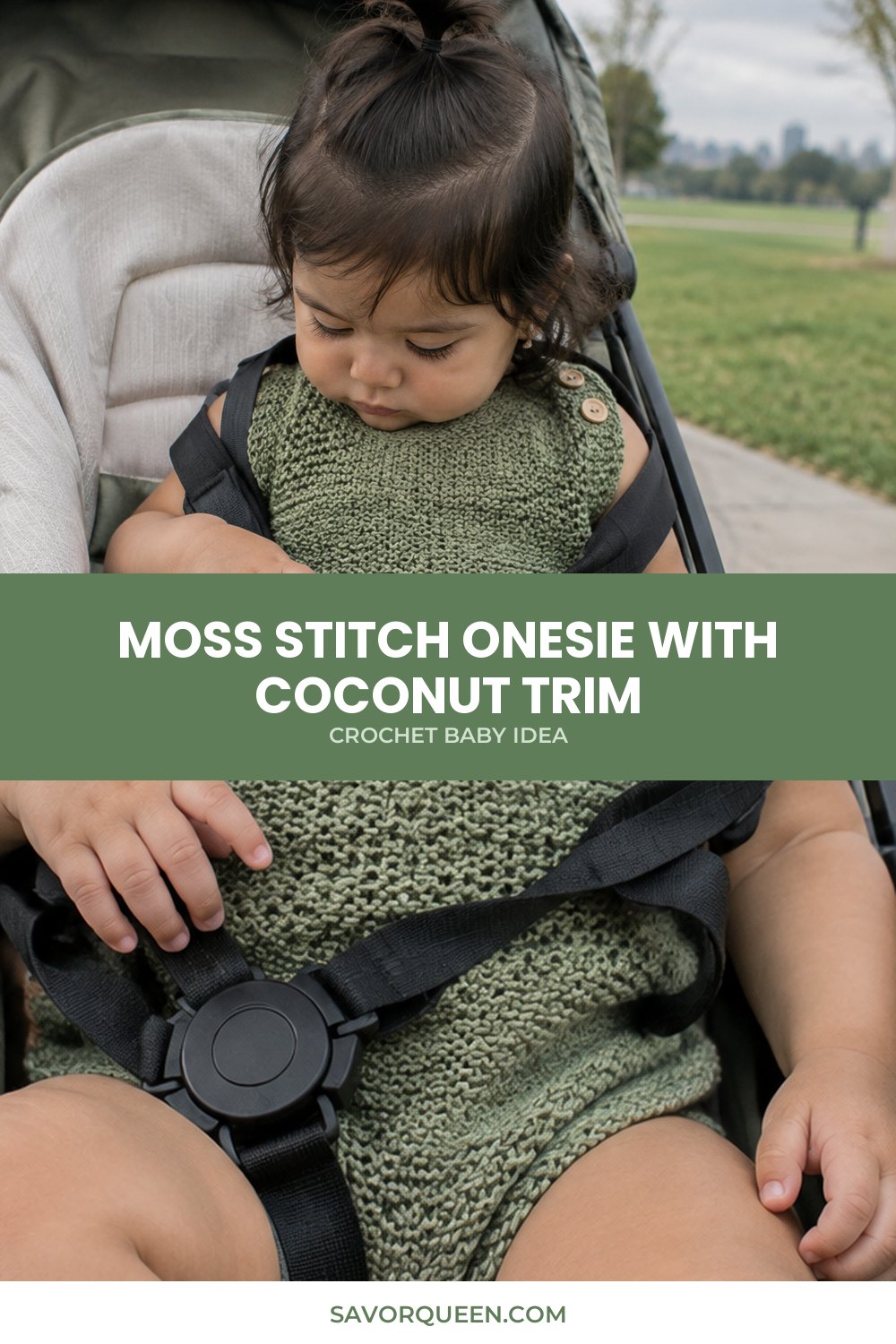
Moss stitch creates a tight, tidy fabric that is ideal for a sleeveless or short-sleeved crochet baby onesies design. Use fingering weight cotton with a 3.5 mm hook if you want a finer fabric, or choose sport weight with a 4 mm hook for a slightly faster make. The body stays smooth and flexible, while coconut button trim adds a natural finish. Soft sage, cream, and a touch of warm brown feel calm and timeless.
Quick notes: yarn sport cotton, hook 4 mm, skill level easy.
Wear it with a lightweight cardigan and soft trousers for a cooler morning outing. The clean texture suits everyday dressing and looks neat under overalls. A practical tip: because moss stitch can run narrow, measure the chest width early and add extra rows before finishing the armholes if you want more room.
4. Lacy Picot Onesie in Soft Peach
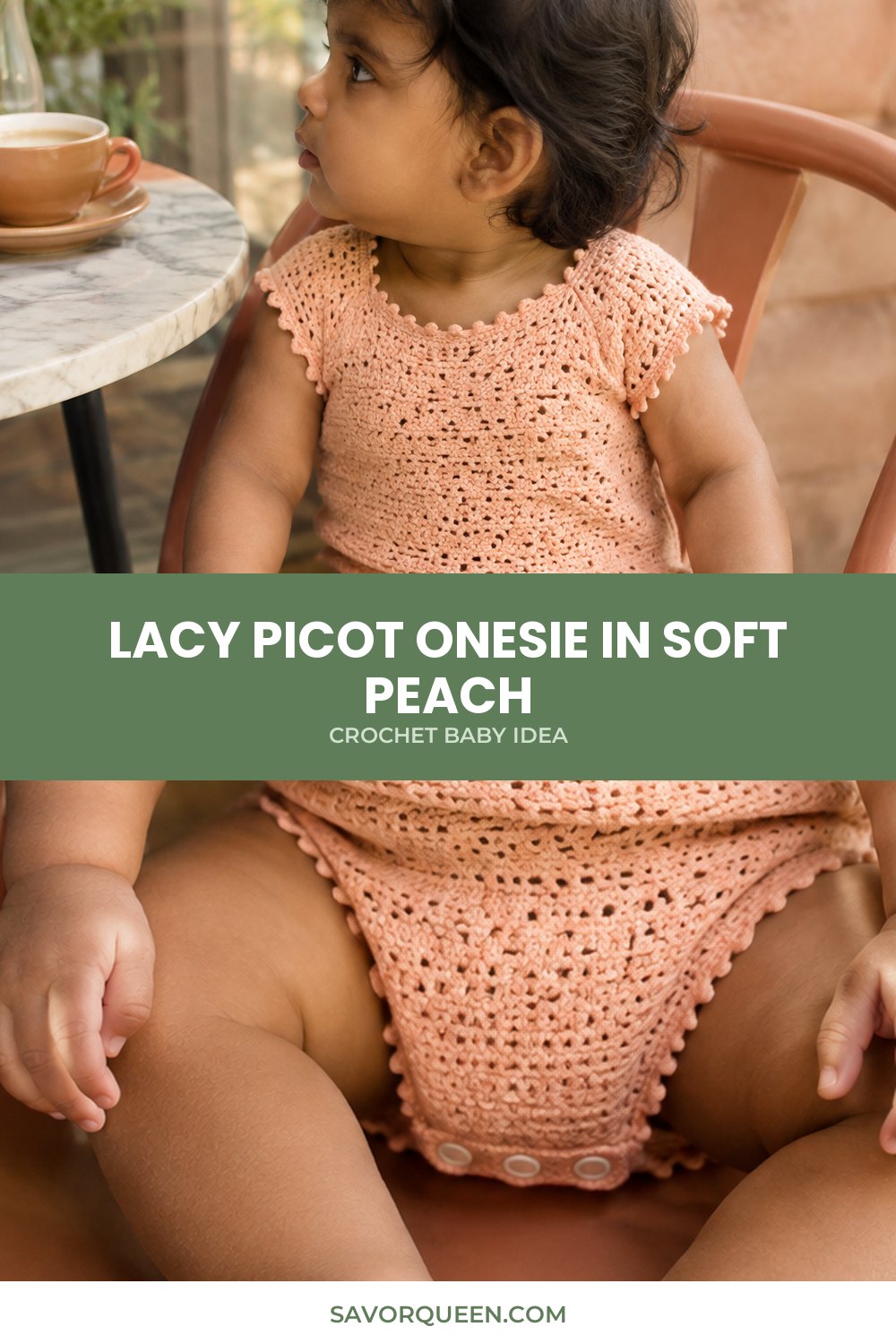
A lacy picot edge gives this crochet baby onesies idea a light, pretty finish while keeping the main body simple. Use fingering weight cotton or a cotton-linen blend with a 3.25 mm hook to keep the fabric airy but still structured enough for babywear. The pattern works well with a plain stockinette-look stitch in crochet, then picot edging at the sleeves and hem. Soft peach, cream, and blush create a gentle, sunny palette.
Quick notes: yarn fingering cotton, hook 3.25 mm, skill level intermediate.
This style suits baby showers, photos, or warm-weather family outings when paired with bloomers or a nappy cover. Keep the lace placement away from areas that need extra softness, like the neckline. A practical tip: line the bodice with a thin cotton layer if the stitch has larger spaces and you want more coverage.
5. Cluster Stitch Onesie in Buttercream
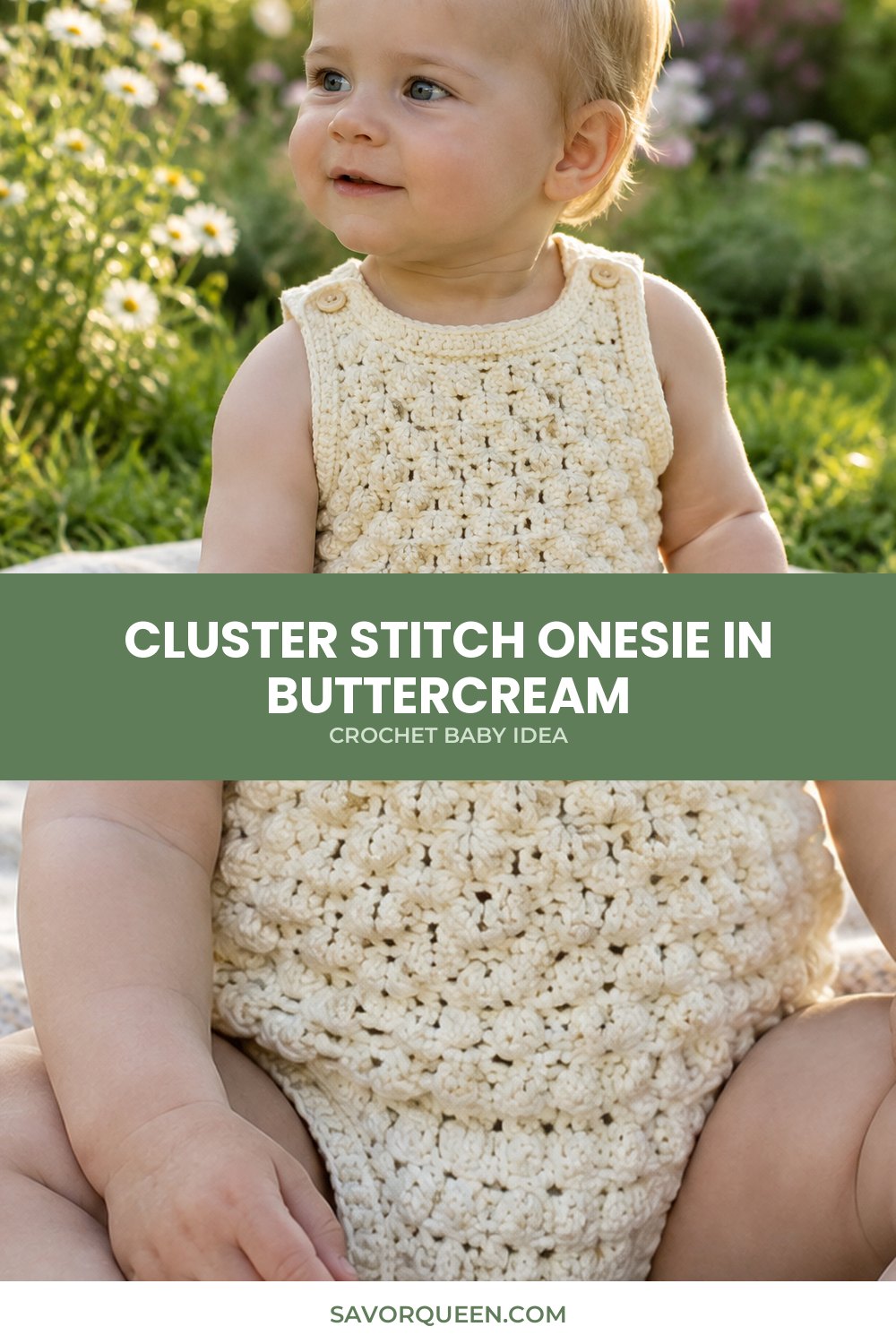
Cluster stitch gives this onesie a softly textured surface that feels a little more dressed up than plain single crochet. Use worsted weight cotton with a 5 mm hook for a sturdy, easy-care finish that still feels soft against skin. The fit works best as a short-sleeved or sleeveless onesie with simple shaping at the leg openings and a back closure. Buttercream, pale gold, and ivory keep the look bright without being stark.
Quick notes: yarn worsted cotton, hook 5 mm, skill level easy.
Style it with a tiny knit hat for spring gatherings or with shorts on sunny afternoons. The texture photographs well in natural light and makes a simple shape feel special. A practical tip: because cluster stitch can tighten the fabric, make a swatch and check the width before committing to the body panels.
6. Ribbed V-Neck Onesie in Olive
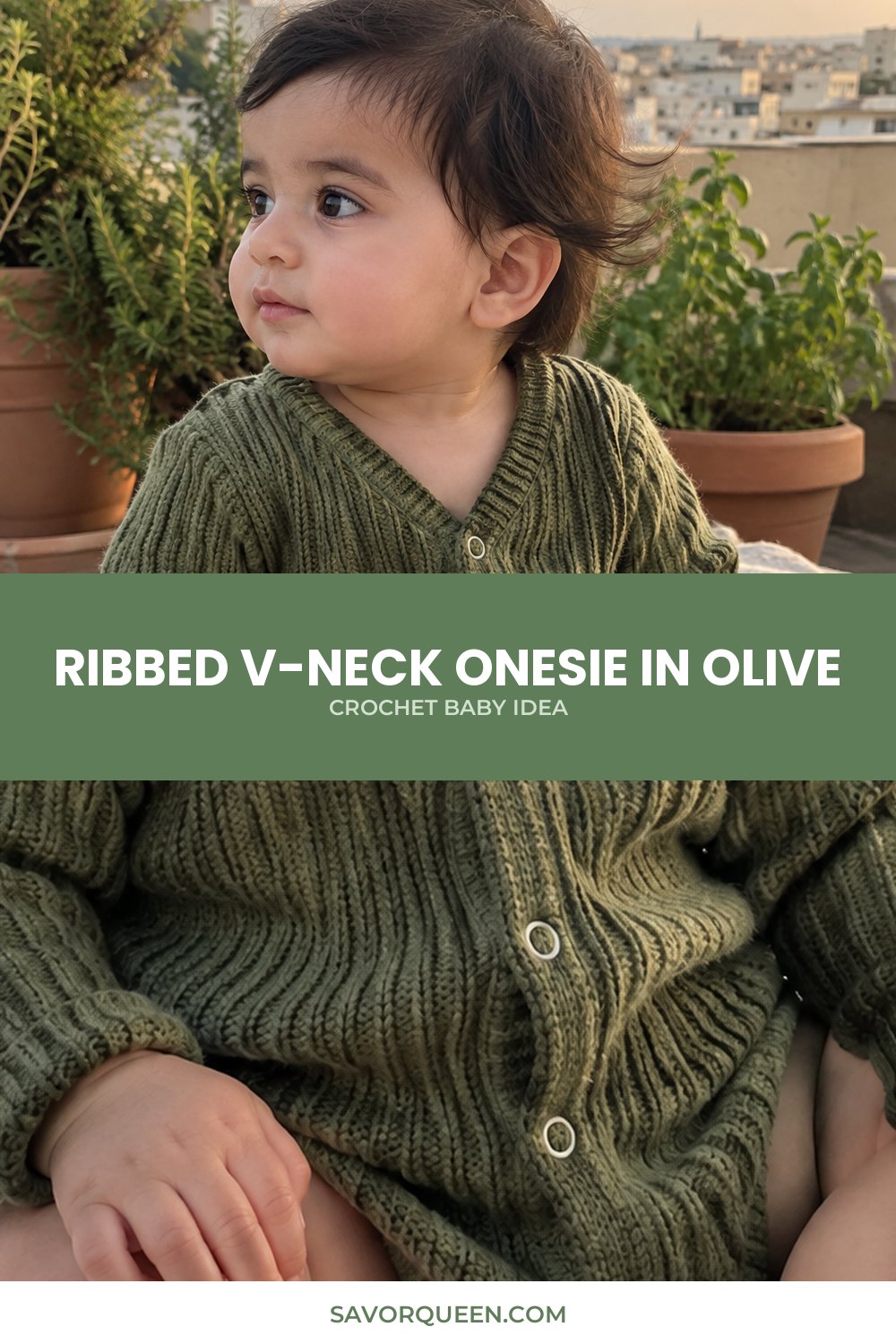
This crochet baby onesies idea uses vertical ribbing for a close, flexible fit that feels neat without looking stiff. Half double crochet ribbing or front-post and back-post ribbing in a cotton-acrylic blend gives warmth and stretch, and a 5 mm hook keeps the fabric comfortable. The V-neck adds a slightly modern shape, while snap fasteners make changing simpler. Olive, cream, and walnut brown make a grounded colour story for autumn and winter.
Quick notes: yarn worsted cotton-acrylic blend, hook 5 mm, skill level beginner.
Layer it under dungarees, over a long-sleeve bodysuit, or with soft leggings for cooler weather. The ribbing sits smoothly under outer layers. A practical tip: if you use a cotton blend, wash on a gentle cycle and lay flat so the rib columns keep their shape.
7. Granny Square Onesie in Cream and Rose
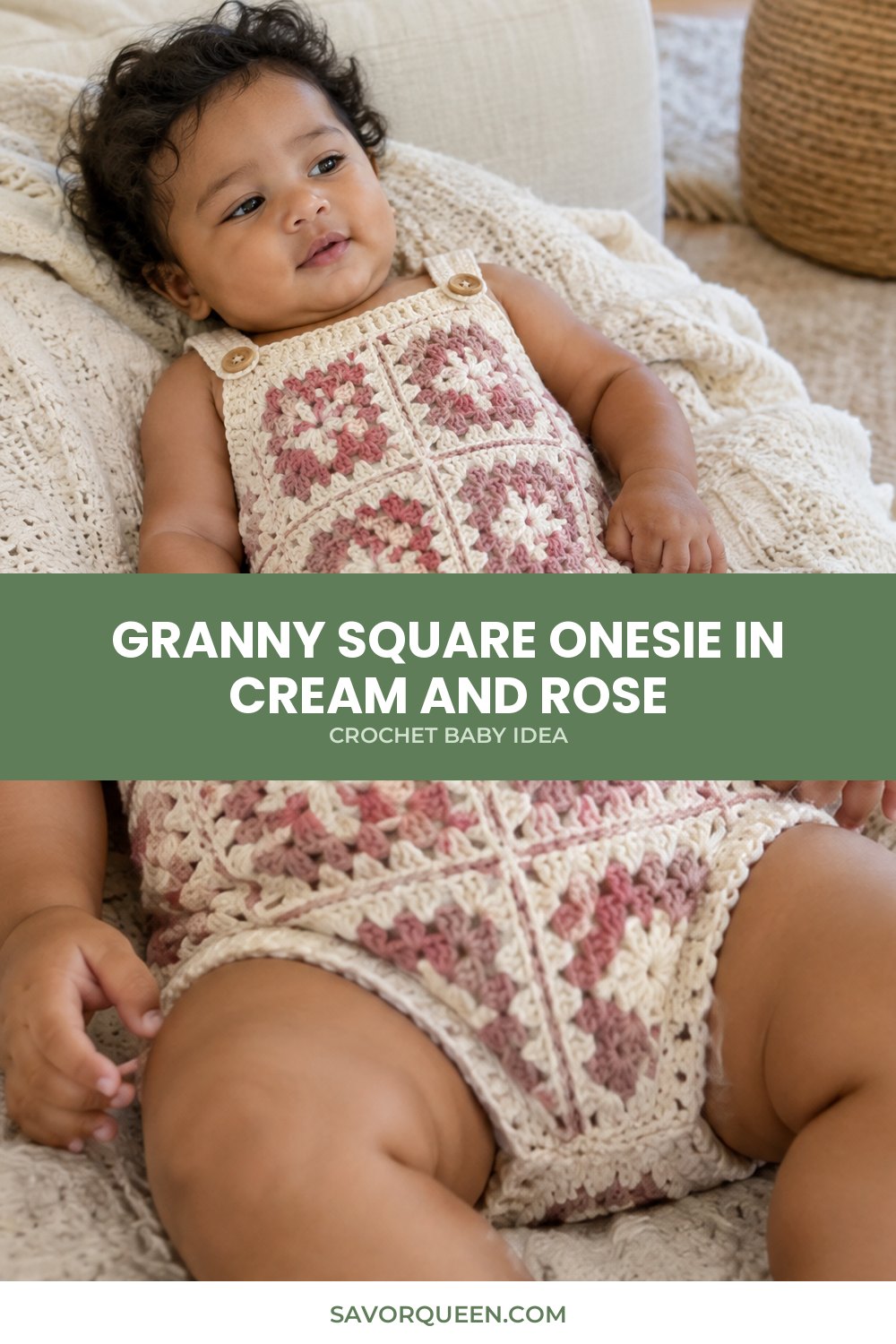
This version uses small granny squares joined into the front bodice or as a colour-block panel, giving the crochet baby onesies look a playful handmade feel. Use DK cotton with a 4 mm hook so the squares stay even and soft, not heavy. The best shape is simple: plain back panels, lightly shaped armholes, and a snap crotch. Cream, dusty rose, and muted sand keep the palette sweet and easy to coordinate.
Quick notes: yarn DK cotton, hook 4 mm, skill level intermediate.
Wear it over a short-sleeve bodysuit with soft socks for a family lunch or baby shower gift set. Keep the squares small so the garment stays comfortable against skin. A practical tip: weave in ends as you go, since square joins can become bulky if every tail is left for the end.
8. Textured Chevron Onesie in Mint
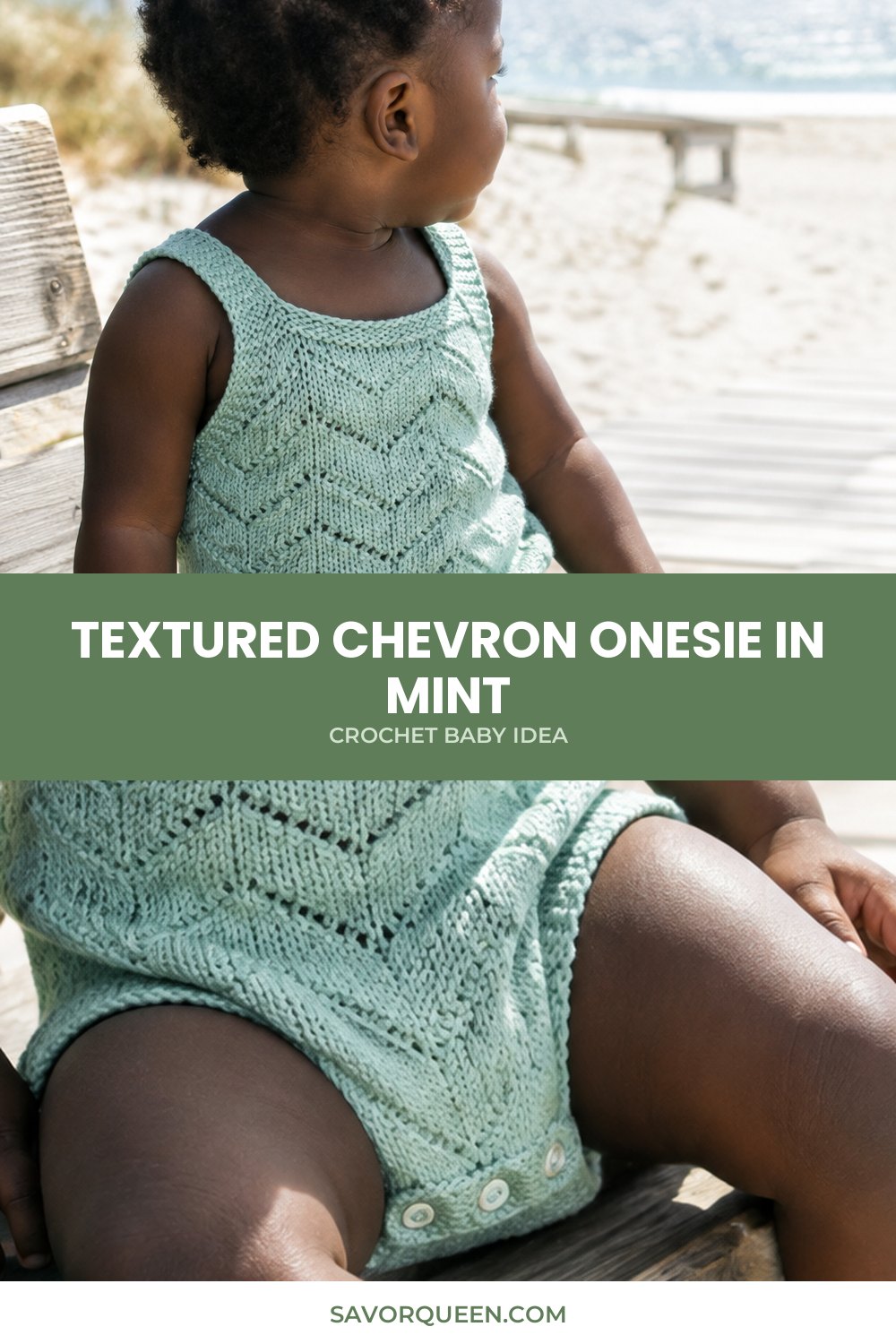
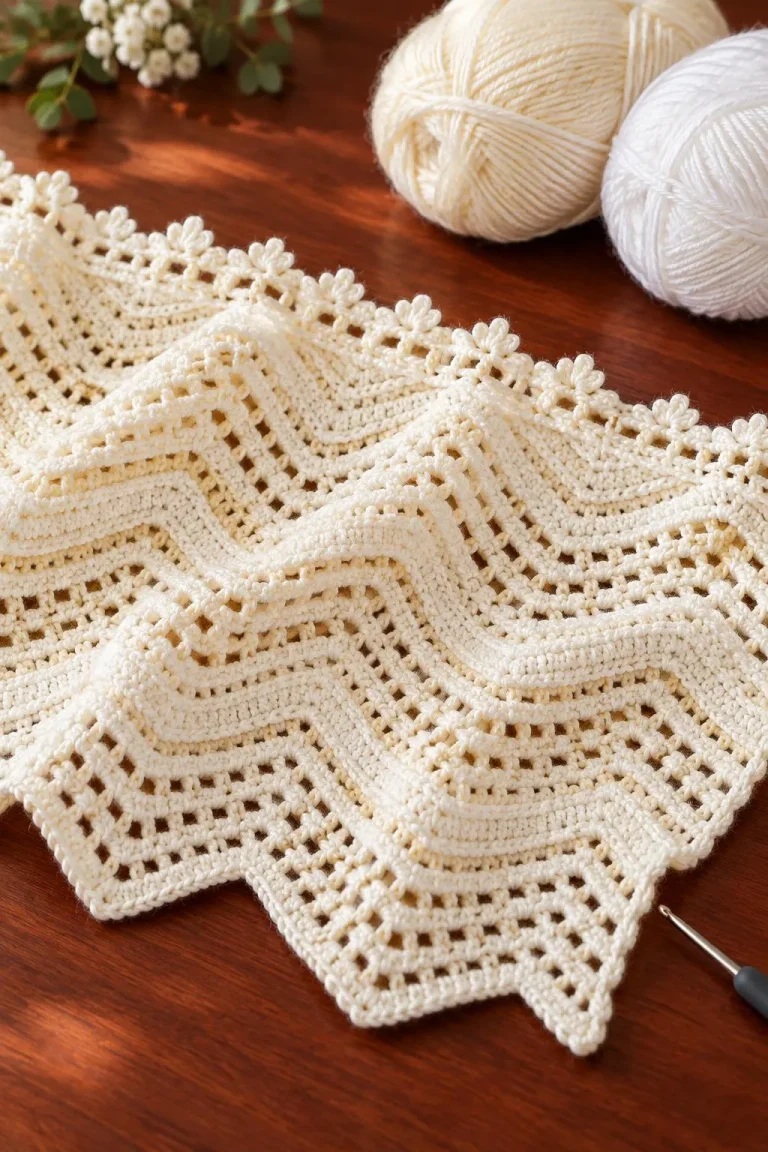
A subtle chevron pattern adds movement to this crochet baby onesies design without making it fussy. Use sport weight bamboo-cotton yarn with a 4 mm hook for a smooth drape and gentle sheen. The stitch can be worked across the bodice and shorts section, then finished with plain trim for balance. Mint, pale white, and a touch of silver grey create a cool, airy colour story that suits spring and summer.
Quick notes: yarn sport bamboo-cotton, hook 4 mm, skill level easy.
This looks lovely with a sunhat and bare feet for outdoor photos or a walk in the stroller. The chevron rows give the piece energy while staying simple enough for regular use. A practical tip: match your decreases carefully so the chevrons stay even from one side to the other.
9. Bobble Detail Onesie in Soft Mauve
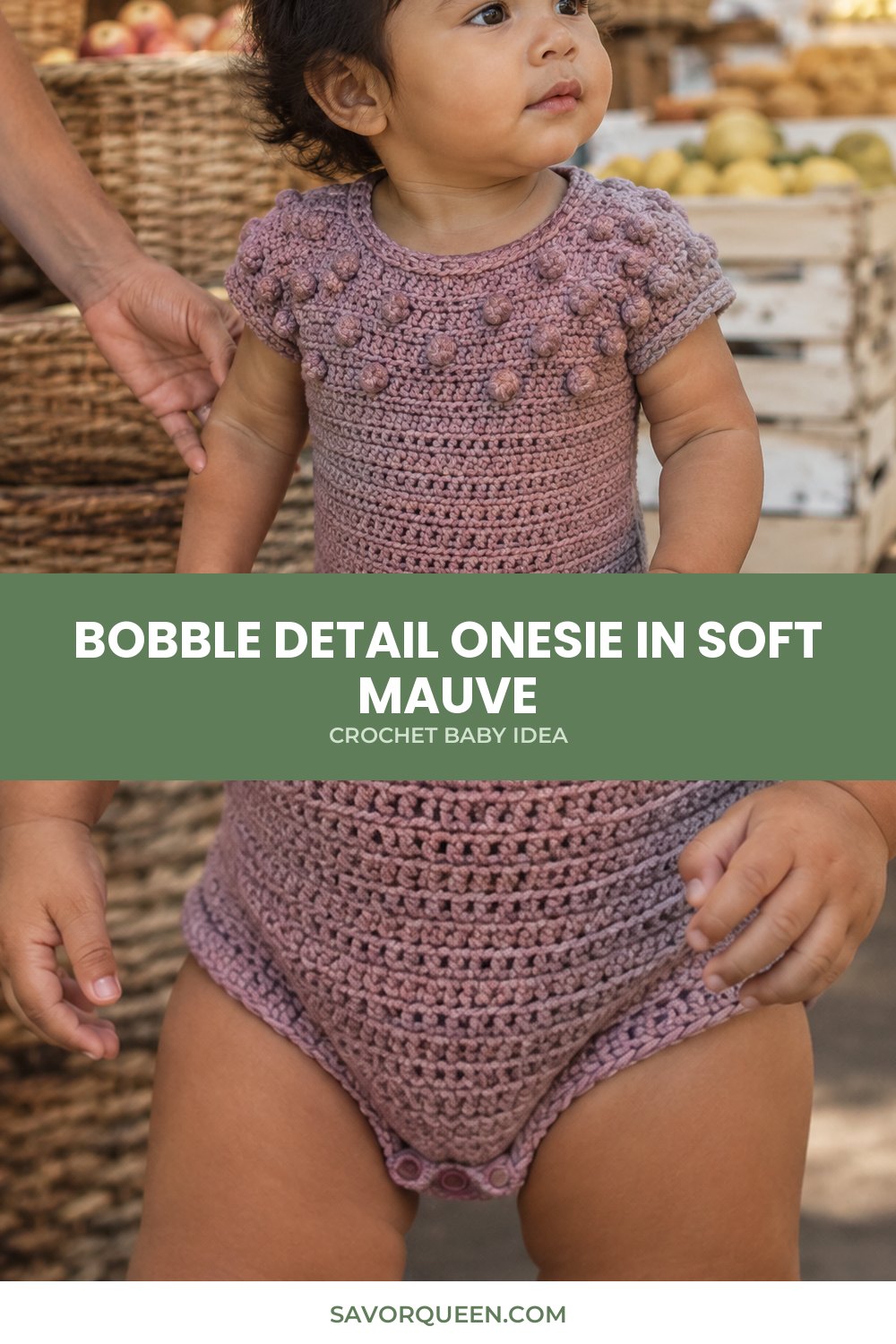
Bobble accents across the yoke give this crochet baby onesies idea a charming, tactile finish while the rest of the garment stays simple. A DK acrylic-cotton blend with a 4.5 mm hook offers enough softness and easy washing for everyday wear. Keep the bobbles concentrated in one area, such as the chest or cuffs, so the onesie remains comfortable and not bulky. Soft mauve, cream, and a hint of grey make the piece feel gentle and modern.
Quick notes: yarn DK cotton-acrylic blend, hook 4.5 mm, skill level easy.
Pair it with ribbed tights or a plain cardigan for cooler outings, or wear it alone during mild afternoons. The bobbles add interest without needing much styling. A practical tip: keep bobbles small and evenly spaced so they do not pull the fabric or press uncomfortably under straps or harnesses.
10. Linen-Stitch Onesie in Natural Ecru
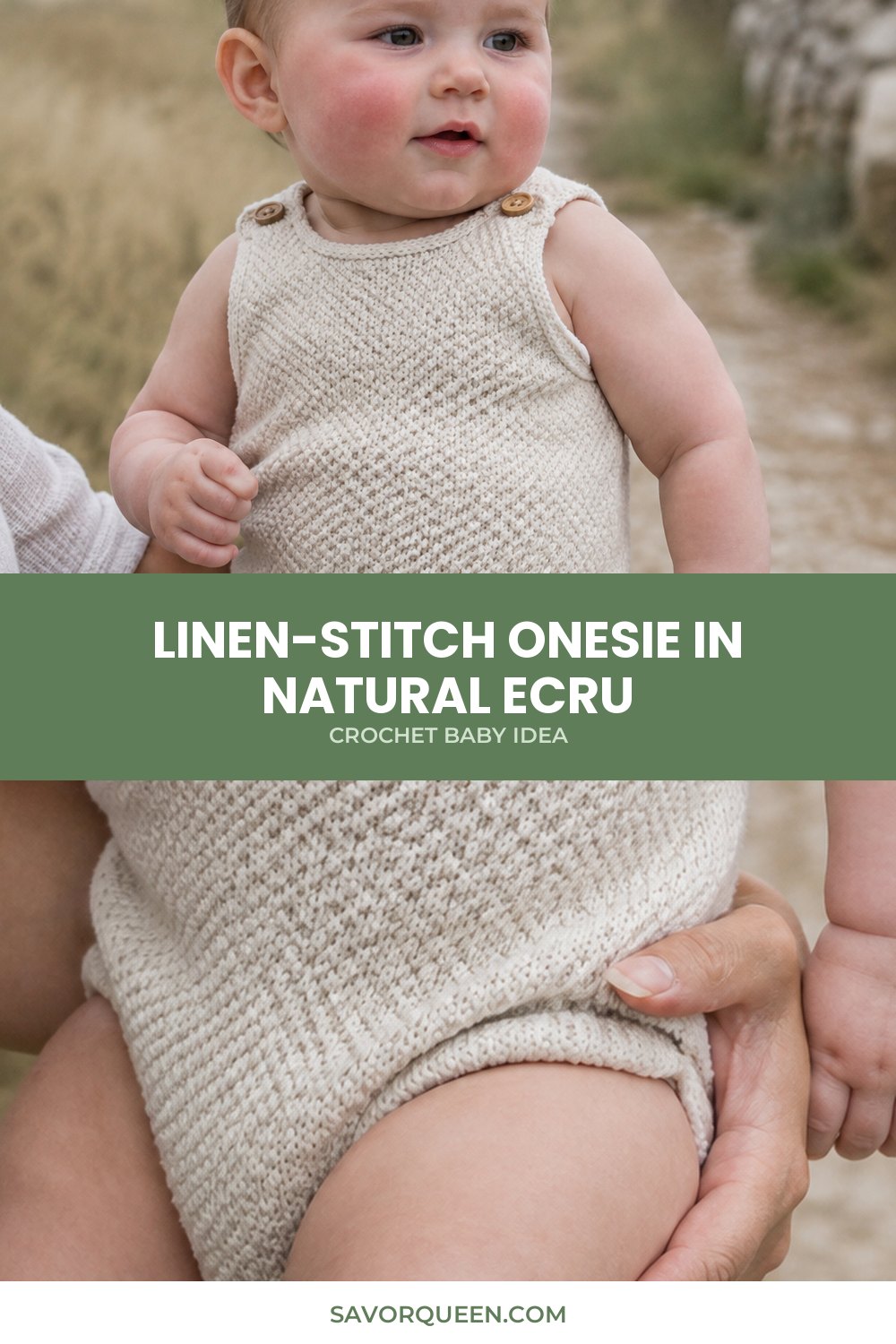
Linen stitch creates a dense, polished fabric that suits a neat crochet baby onesies shape with very little fuss. Use fingering or sport weight linen-cotton yarn with a 3.5 to 4 mm hook for a breathable finish that still feels structured. A simple straight body, short sleeves, and button shoulders keep the design practical. Natural ecru, flax, and soft cream give it a quiet, refined look that works across seasons.
Quick notes: yarn sport linen-cotton, hook 3.5 mm, skill level beginner.
Style it with a knit cardigan and soft shorts for church, family photos, or a day out in town. The fabric is smooth enough to layer under other clothes without bulk. A practical tip: linen-blend yarn softens after washing, so allow for a slightly firm feel at first and block gently before measuring final fit.
11. Puff Stitch Onesie in Pale Lilac
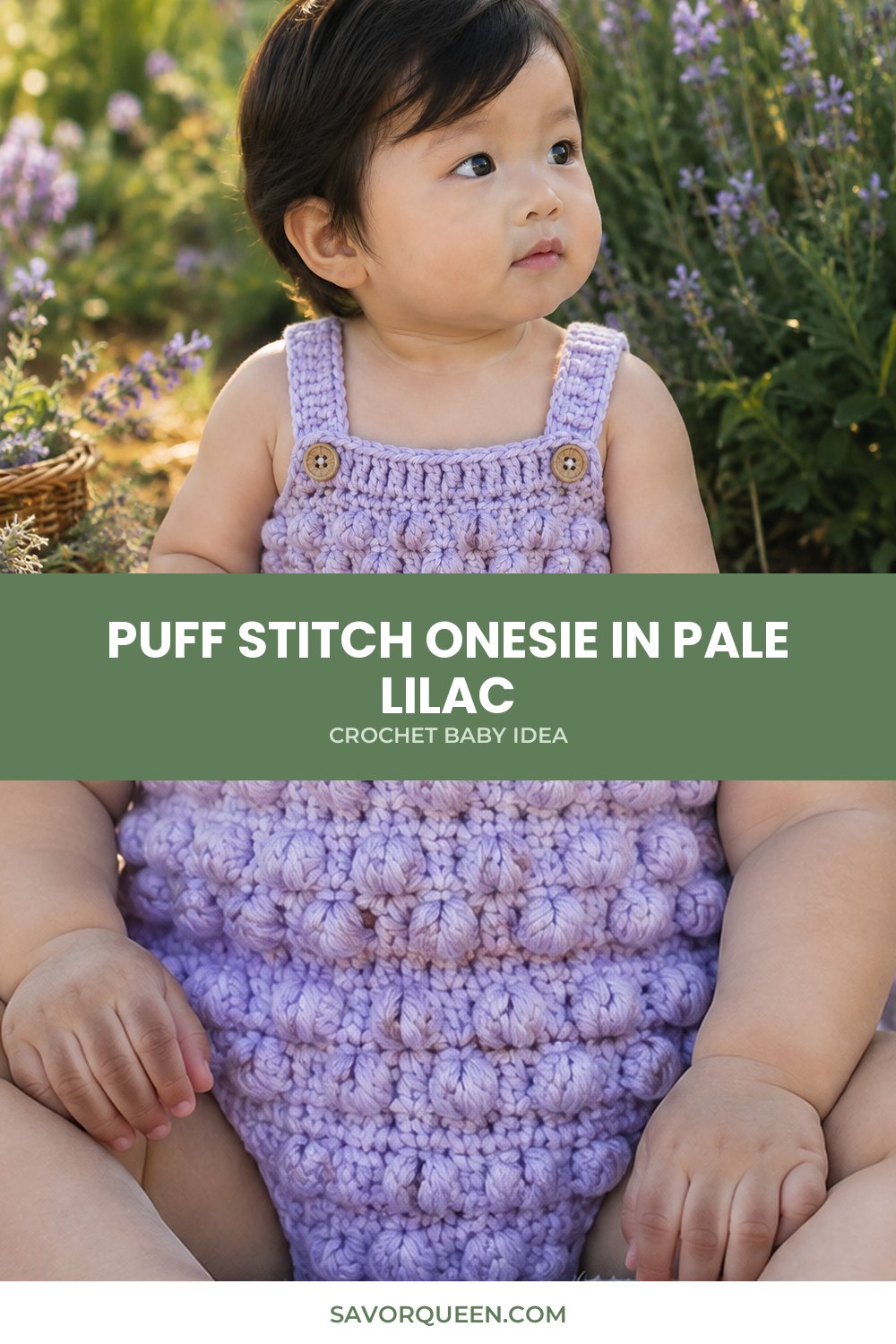
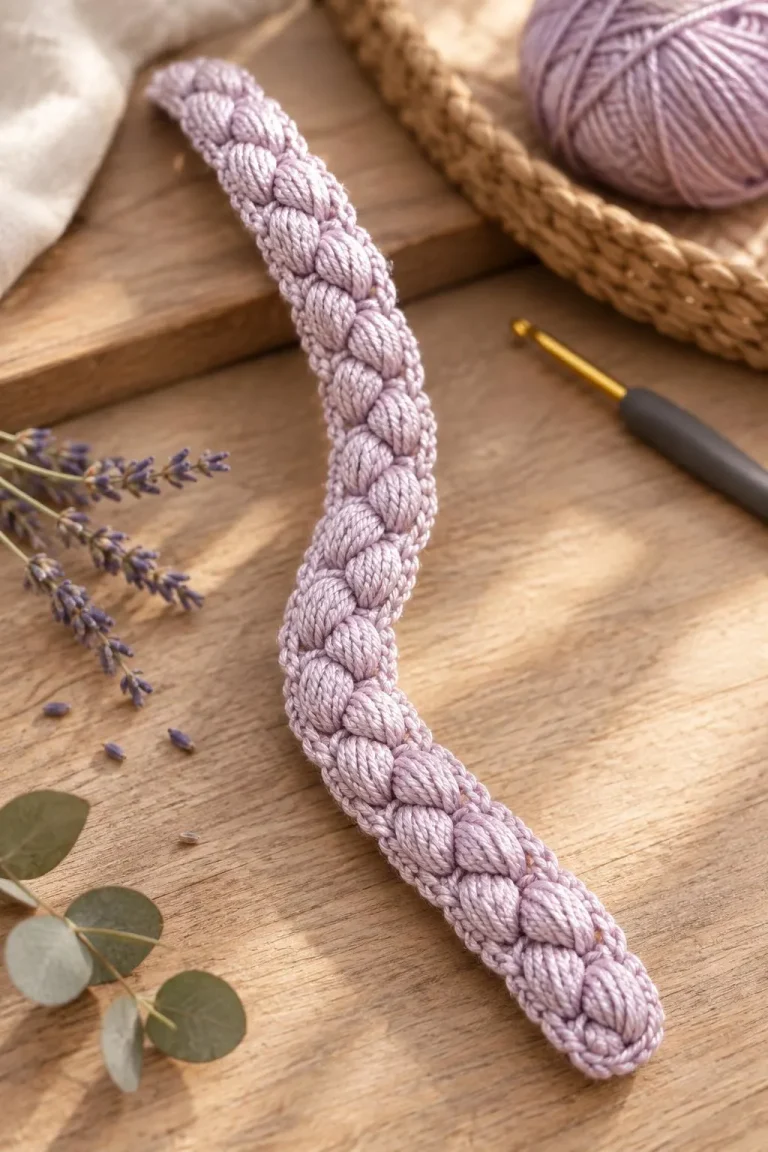
Puff stitch gives this crochet baby onesies design a soft, cloud-like texture that feels sweet without being complicated. Use DK cotton or a cotton-bamboo blend with a 4 mm hook to keep the puffed surface light. The best construction is a plain bodice with puff stitch used in rows across the front or at the hem, so the garment stays comfortable. Pale lilac, white, and silver make a gentle colour story that feels airy and fresh.
Quick notes: yarn DK cotton, hook 4 mm, skill level intermediate.
This works well for baby showers, spring outings, or a photo session with a soft cardigan. Keep the puffed sections away from areas that need to lie flat, like under harness straps. A practical tip: if the puff rows draw in too much, go up half a hook size just for the textured section.
12. Simple Striped Onesie in Cream and Denim
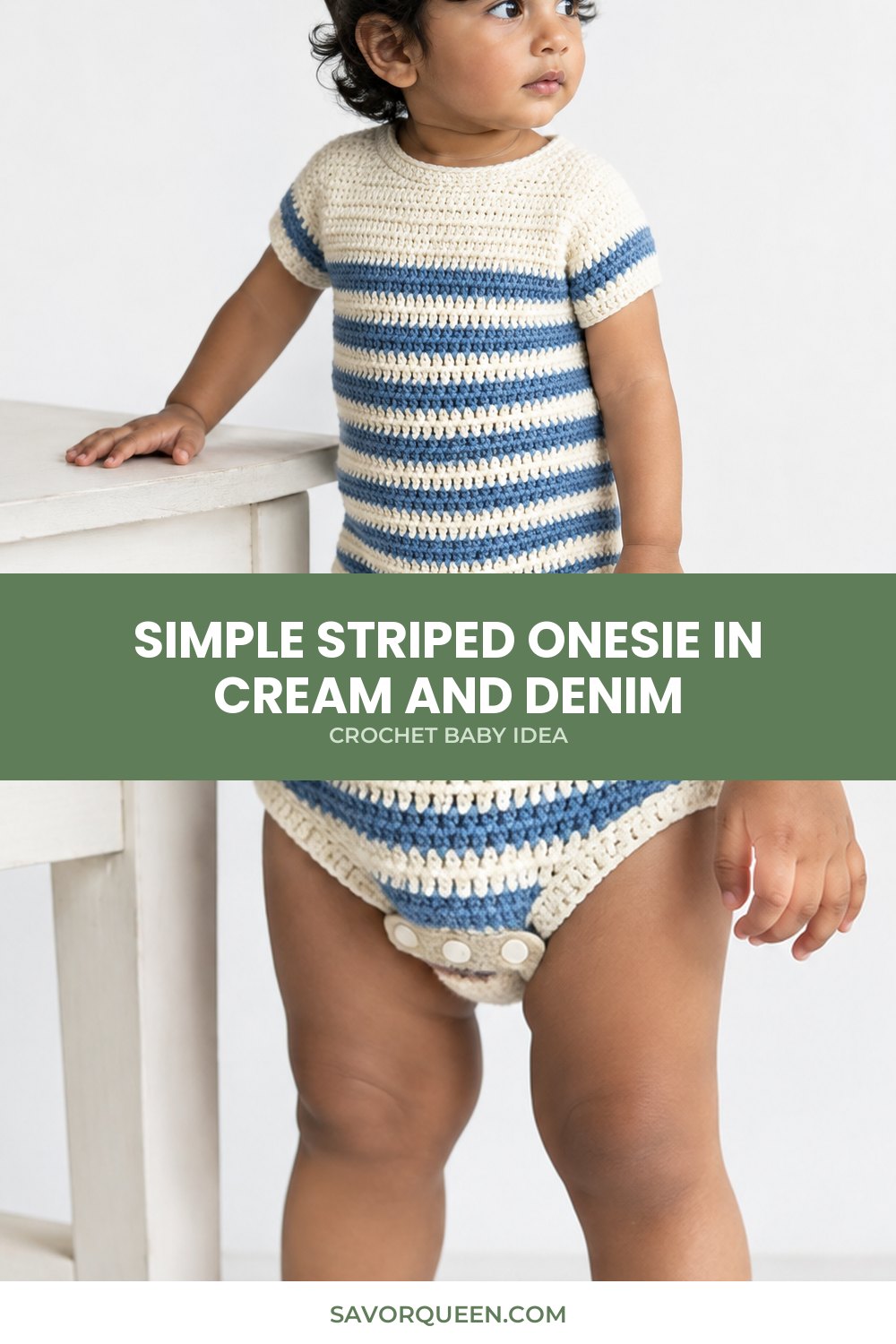
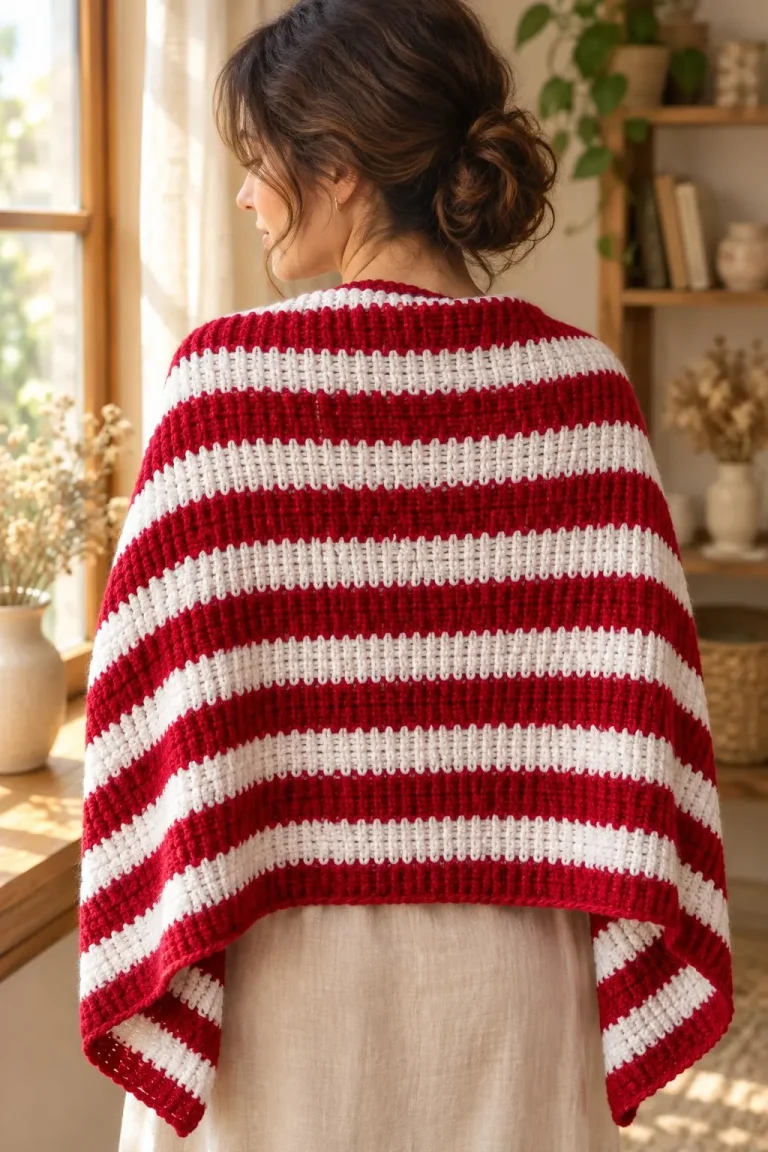
This crochet baby onesies idea keeps the shape simple and lets the stripes do the work. Use worsted cotton with a 5 mm hook for a durable, washable piece that still feels soft on skin. Single crochet or half double crochet stripes create a neat surface, and a plain yoke keeps the design practical. Cream and denim blue give a crisp colour contrast that feels classic without being overly bright.
Quick notes: yarn worsted cotton, hook 5 mm, skill level beginner.
Wear it with soft jeans, bloomers, or a light jacket for casual weekends and family visits. The stripe layout makes this an easy gender-neutral option. A practical tip: carry your yarn up the side only if the transition stays neat; otherwise, cut and join each stripe for a cleaner edge.
13. Eyelet Yoke Onesie in Powder Pink
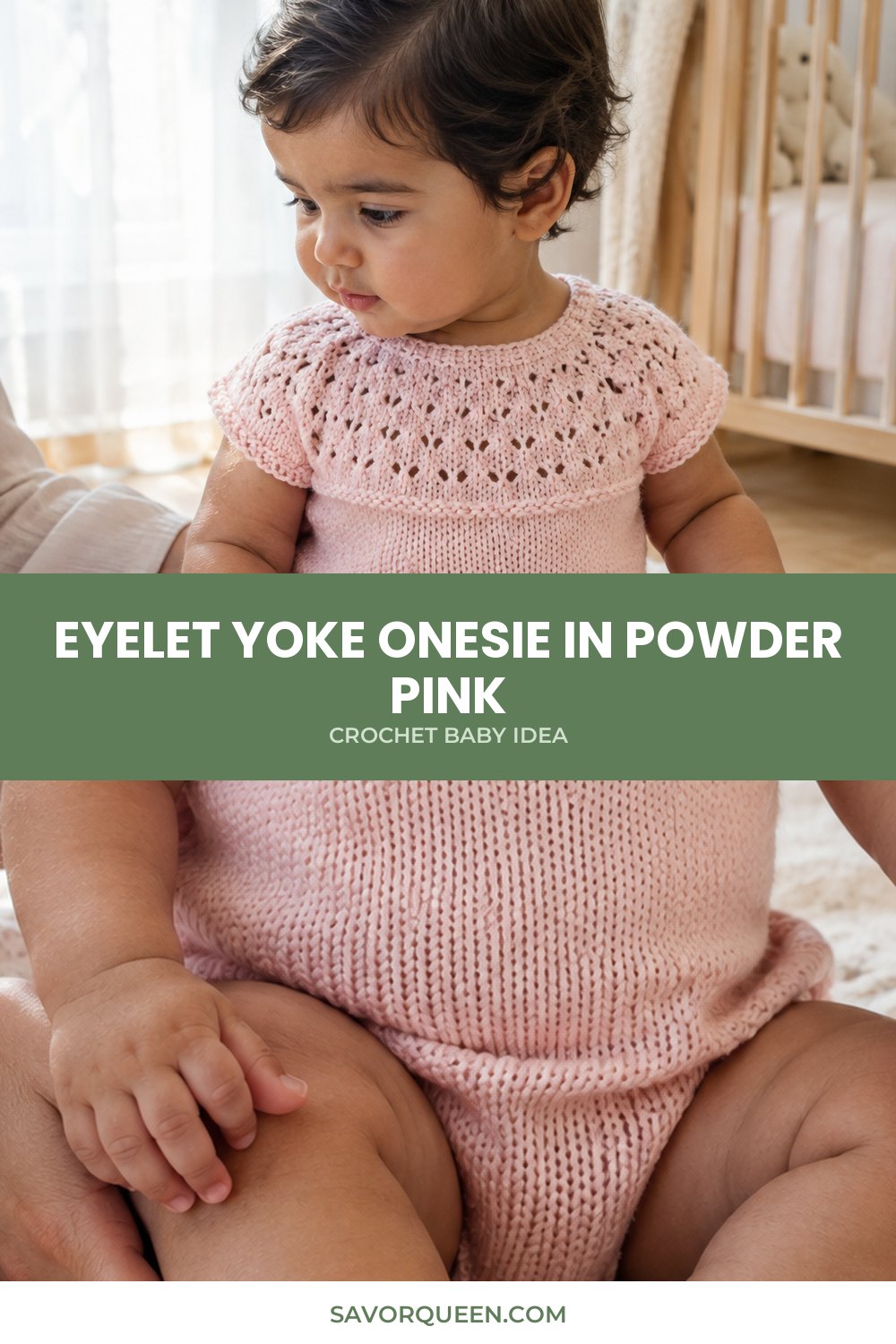
An eyelet yoke gives this crochet baby onesies design a light, breathable top section while keeping the body smooth and practical. Use light DK cotton with a 4 mm hook for a fabric that feels soft and spring-ready. The best shape is a sleeveless or short-sleeved onesie with eyelet rows only near the neckline and upper chest. Powder pink, white, and pale nude create a delicate palette that works for special days or everyday wear.
Quick notes: yarn light DK cotton, hook 4 mm, skill level easy.
Pair it with soft bloomers, a sun hat, or a light cardigan for outings and baby portraits. The eyelets add interest without making the garment fragile. A practical tip: keep the eyelet rows above the bust or yoke and away from high-wear areas like the seat.
14. Diagonal Stitch Onesie in Warm Sand
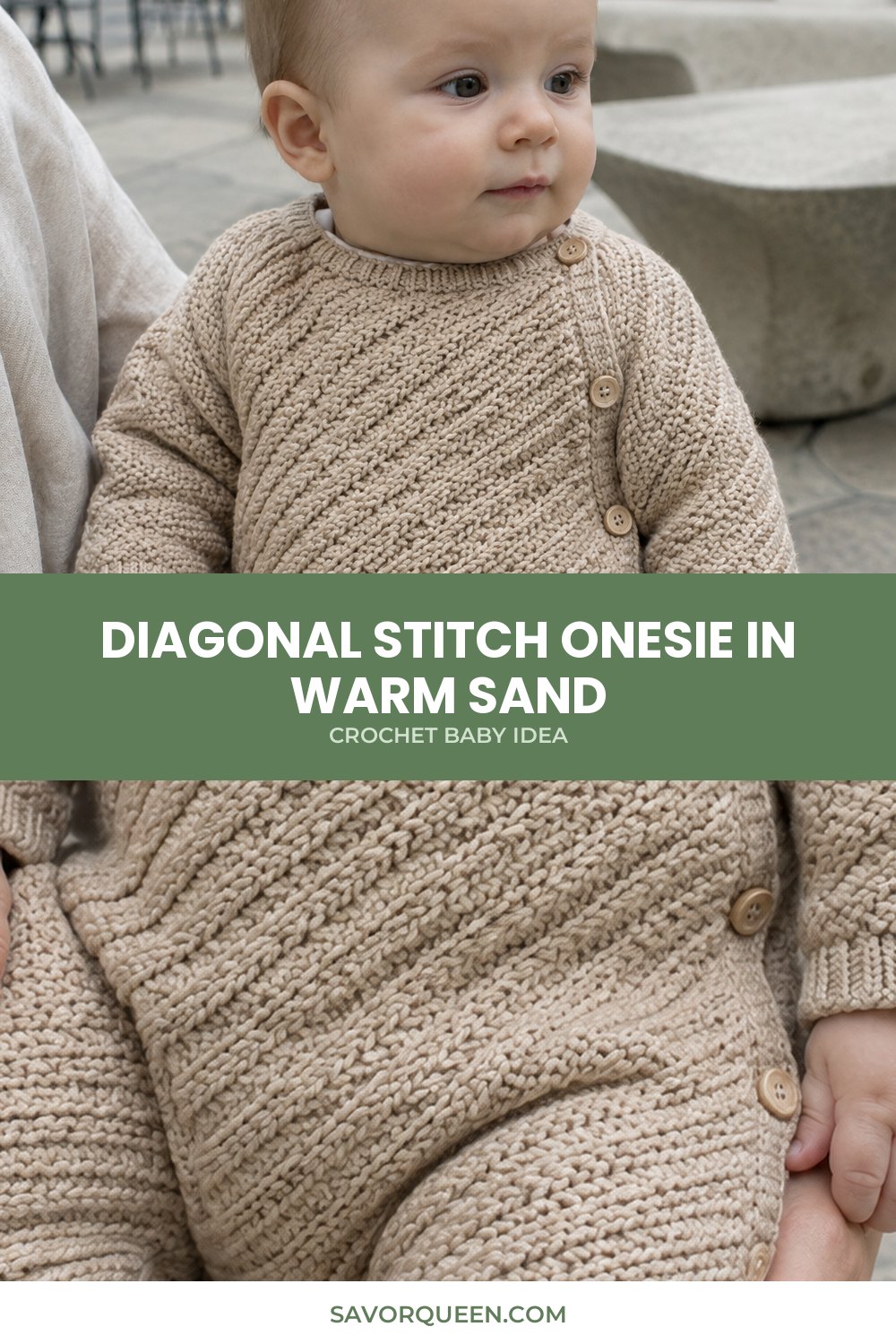
Diagonal stitch gives this crochet baby onesies idea a modern, directional look that stands out without needing complicated shaping. Choose sport weight cotton with a 4 mm hook so the texture stays defined and baby-friendly. A straight-cut onesie with side buttons and a snap crotch keeps the design simple while letting the stitch pattern lead. Warm sand, ivory, and pale taupe make this feel calm and easy to match with other baby layers.
Quick notes: yarn sport cotton, hook 4 mm, skill level intermediate.
This is a good choice for a day at the museum, brunch, or a casual family outing with soft loafers or socks. The angled texture looks refined in photos. A practical tip: keep your stitch count consistent on every row, since diagonal patterns show uneven edges more quickly than plain stitches.
How to choose, make and care for these
Choose soft, washable fibres
For babywear, cotton and cotton blends are the safest starting point because they are breathable and easy to wash. Use DK or sport weight for most crochet baby onesies, then move to worsted only when you want a warmer, slightly denser fabric. Avoid scratchy fibres and anything that sheds, especially near the neckline and armholes.
Keep closures simple
Button shoulders, snap crotches, and short ties placed out of reach make changing easier. For crochet baby onesies, the opening should be wide enough to dress over the head without tugging. If a design uses buttons, sew them firmly and choose sizes that sit flat against the fabric.
Check torso length before finishing
Babies need extra room through the rise, so measure from shoulder to crotch before sewing or adding trim. If the onesie looks short, add one or two more rows to the body rather than tightening the straps. A little extra length is usually better than a piece that pulls when the baby moves.
Block lightly for shape
A gentle wet block can even out stitch texture, open lacework, and help edges lie flat. This is especially useful for shell stitch, eyelets, and granny-square panels. Keep blocking minimal for baby items so the fabric stays soft and the fit does not stretch too much.
Frequently asked questions
What yarn works best for crochet baby onesies?
Soft cotton, bamboo-cotton, and cotton blends work well because they are breathable and easy to wash. For cooler seasons, a cotton-acrylic or wool-cotton blend can add warmth without feeling too heavy. Choose smooth yarn with low fuzz so the fabric stays comfortable on sensitive skin.
Are crochet baby onesies hard to size?
Sizing is manageable if you check chest width, torso length, and leg opening measurements before finishing. Crochet baby onesies should have enough room for a nappy and easy movement through the shoulders. A swatch helps you match the gauge before you commit to the full garment.
Which stitches are easiest for crochet baby onesies?
Half double crochet, moss stitch, single crochet, and simple ribbing are some of the easiest stitches to use. They make a neat fabric without too much bulk and work well for baby comfort. If you want texture, add it in small areas like the yoke, hem, or cuffs.
Can crochet baby onesies be worn every day?
Yes, as long as the yarn is soft, the fit is roomy, and the closures are secure. Many crochet baby onesies are best for supervised wear, photos, visits, or short outings rather than all-day rough play. Wash them gently and rotate them with knit bodysuits for regular use.
How do you care for crochet baby onesies?
Use a gentle wash cycle or hand wash depending on the yarn label, then lay flat to dry. Avoid high heat, which can distort the shape or shrink cotton blends. If the onesie has lace or textured stitches, reshape it while damp so the details stay neat.
More crochet ideas to save
These crochet baby onesies ideas give you a practical starting point for simple shapes, soft yarns, and baby-friendly textures. Mix and match the stitch ideas with your favourite colours and closures to suit the season and the baby’s comfort. For more matching nursery and gift inspiration, take a look at these related reads: “10 Cute Crochet Baby Blanket Styles For Cozy Nurseries“, “12 Cute Crochet Lovie Ideas For Soothing Newborns“, and “16 Chic Crochet Baby Dress Ideas For Special Events“.
Browse every design in the crochet patterns section, and learn the basics in how to crochet.