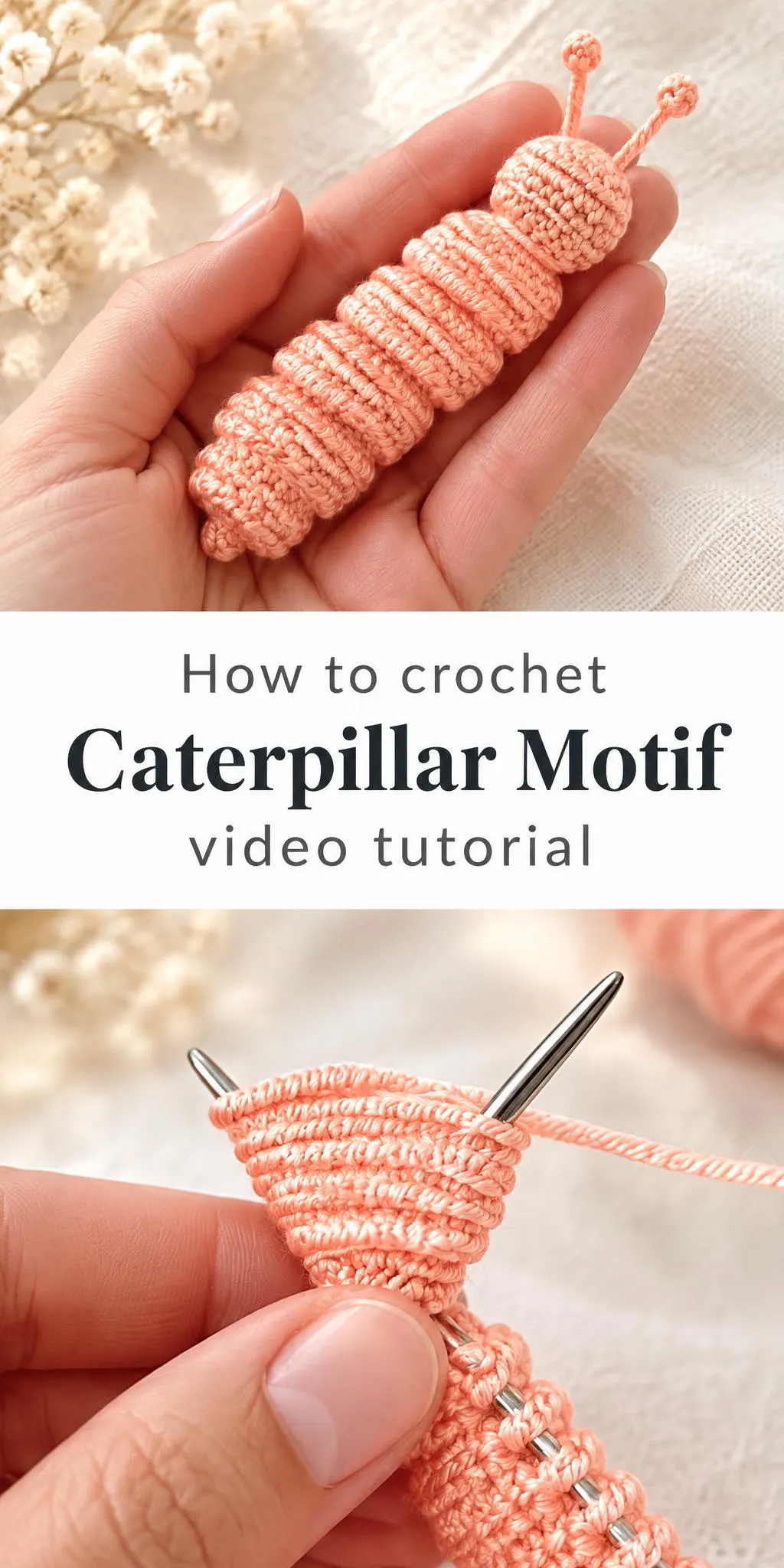
The crochet caterpillar motif is a playful little accent that brings charm to baby blankets, bags, and home décor. Its rounded, segmented body and soft texture make it instantly appealing, whether you stitch it as a standalone piece or repeat it across a larger project.
In this post
Why the Caterpillar Motif Stands Out
At first glance, the caterpillar reads as a series of connected rounds, each one slightly plumper than the last. That repetition gives the piece a rhythmic quality that draws the eye along its length. The contrast between the body tones and the finer outlines creates a sense of movement, as though the motif is inching across the fabric.
Beyond its looks, the motif is genuinely versatile. A single caterpillar can decorate the border of a child’s cardigan, sit on the corner of a cushion, or hang from a set of keys. Because it is compact and sculptural, it works well in projects where you want a focal point without overwhelming the surrounding fabric.
Caterpillar Motif Related Posts:
- Crochet Rolled Rose: A Charming Handmade Blossom
- Crochet Ribbed Crop Top: A Chic and Flattering Wardrobe Essential
- Crochet Flower Hair Clip & Multicolor Headband: A Charming Handmade Accessory
- Crochet Splendid Shawl: An Elegant Handmade Wrap
Choosing Materials for a Soft, Defined Shape
Smooth, lightly textured yarns are a good starting point for this motif. Cotton blends and fine acrylics hold stitch definition well, so the segments stay crisp rather than blurring together. If you prefer a plush look, a worsted-weight yarn in a soft finish will give the body more volume, though it may slightly soften the outline.
Hook choice matters just as much as yarn. A hook that is a size or two smaller than the label suggests produces a firmer fabric, which keeps the caterpillar’s shape upright and prevents it from sagging over time. For motifs meant to be handled often, such as toys or accessories, this firmness is especially helpful.
Stuffing is optional but worth considering for three-dimensional pieces. Polyester fiberfill gives a gentle rounded profile, while a lighter touch keeps the motif flat enough to sew onto fabric. Safety eyes or embroidered faces can complete the look, and both are easy to add once the body is finished.
Building the Body Segments
The defining feature of this motif is its segmented body, and getting the segments right is the key to a convincing caterpillar. Each segment is worked as a separate round or cluster, then joined so the body flows from head to tail. Keeping the same number of stitches in each round helps the segments remain even, while gradually increasing or decreasing them creates the characteristic swell.
Color changes between segments add visual interest. Alternating two or three closely related shades gives the impression of natural banding, while bold contrast makes the motif more playful and graphic. If you change color at the start of each round, carry the unused yarn neatly along the inside so the surface stays smooth.
Take your time with the joins. Loose connections are the most common reason a caterpillar looks lopsided. Pulling each join gently and checking the alignment as you go will keep the body straight and balanced.
Adding Antennae and Facial Details
Small details transform a simple body into a recognizable character. Short antennae can be worked as tiny chains or single crochet loops and attached at the head, then secured with a few stitches on the back. Keep them slim so they do not dominate the silhouette.
Eyes and a smile are equally effective when kept modest. French knots, satin stitch, or small buttons all give a friendly expression. Position the face slightly off-center on the head for a more natural, lively look.
Styling and Everyday Uses
A caterpillar motif fits naturally into children’s spaces. Stitch one onto the corner of a nursery blanket, or attach a few along the edge of a bib. On a tote bag, a single motif near the handle provides a cheerful signature without requiring any other decoration.
For home décor, consider grouping motifs of varying sizes on a throw pillow or wall hanging. A cluster of three caterpillars in soft greens, yellows, and cream feels cohesive, while mixing brighter tones creates a more energetic display. Matching the palette to your room’s existing colors keeps the piece from feeling out of place.
Gift-giving is another natural fit. A small caterpillar attached to a hair clip, a keychain, or a board book bookmark makes a thoughtful, handmade present that is light to carry and easy to personalize.
Finishing and Care
Weave in every end carefully, especially on items that will be handled frequently. Running the tail through several stitches on the wrong side prevents unraveling. For motifs with stuffing, close the final opening firmly so the fiberfill stays in place.
When attaching the motif to a larger project, pin it first to check placement. Whipstitch it in place with a matching yarn, working through the back loops of the surface stitches for a clean finish that will not pucker the fabric.
Wash handmade items according to the yarn label, and lay them flat to dry. Acrylic and cotton blends generally tolerate gentle washing well, but avoid wringing the motif, since this can distort its shape.
Enjoy Your Little Caterpillar
The crochet caterpillar motif rewards patience with a lively, characterful result that brightens almost any project. Its segmented body, thoughtful color choices, and playful details make it both a creative challenge and a genuinely pleasant piece to stitch.
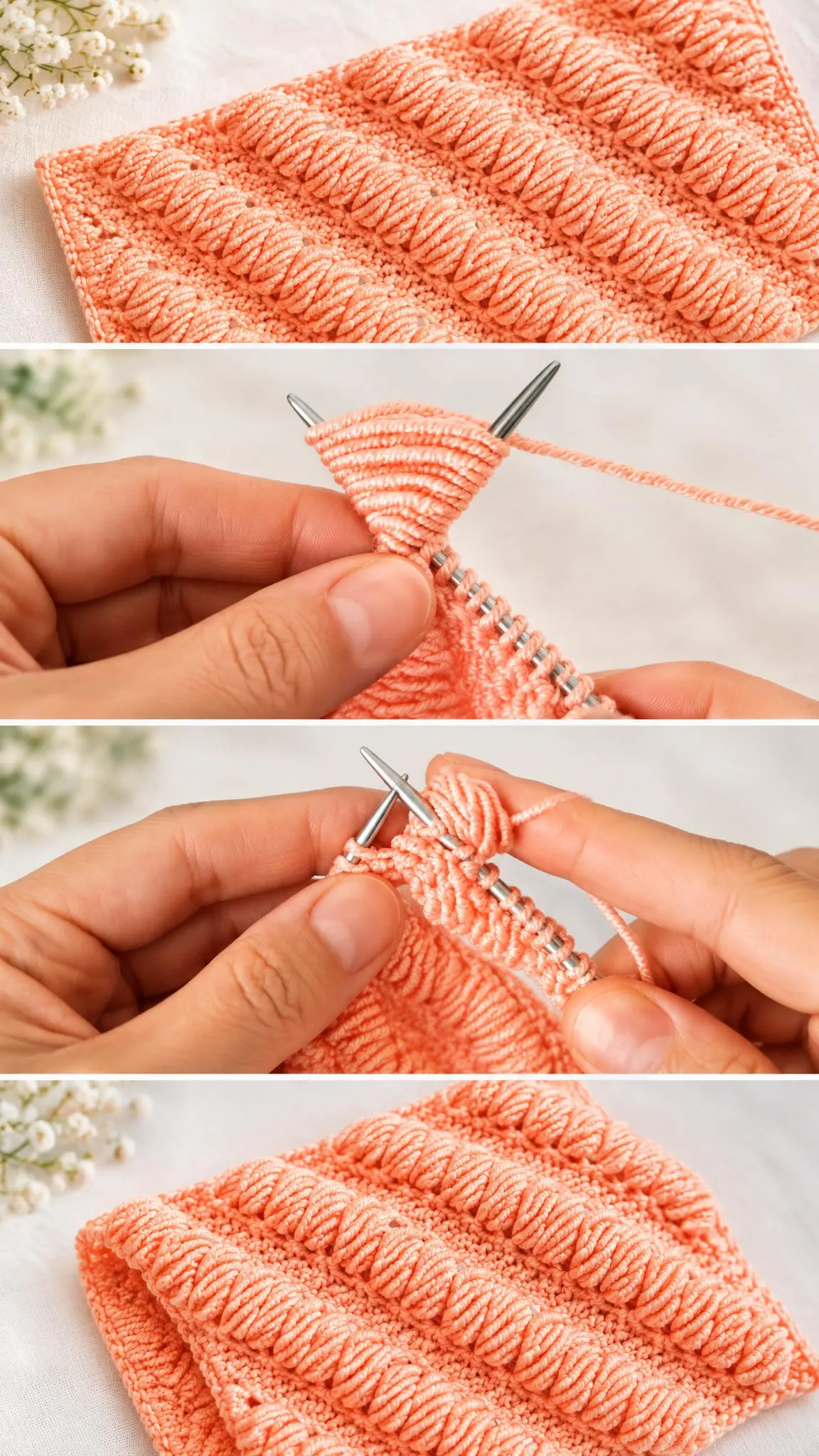
Follow the video below to see the construction in action, and feel free to pause or rewind whenever a join or color change needs a closer look. Happy stitching, and enjoy watching your caterpillar come to life.
Follow us on Pinterest and subscribe to the Newsletter so you don’t miss a thing!
Tutorial and photos of this caterpillar motif by: AYŞENİN ÖRGÜLERİ.