A crochet mini sling bag is one of those handmade projects that looks polished the moment it is finished, yet it stays small enough to make in a relaxed weekend. This sunny yellow design combines a structured, flap-style body with a textured stitch pattern and a long, sturdy strap, making it a practical everyday companion as well as an eye-catching accessory.
In this post
Why the Mini Sling Bag Stands Out
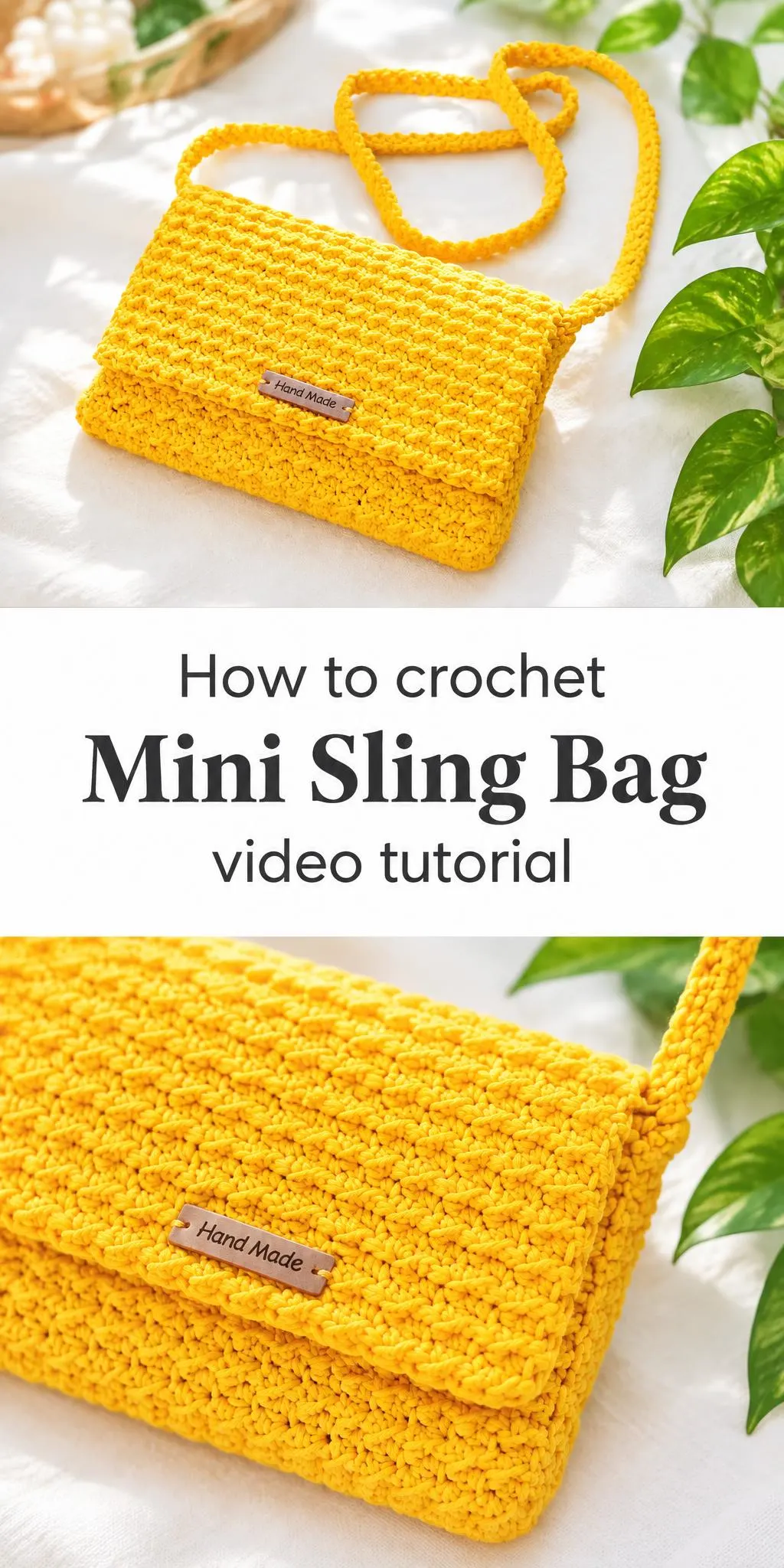
The first thing you notice about this bag is its clean, rectangular silhouette. Rather than a soft, slouchy pouch, it has a defined front panel with a layered flap that sits neatly over the body. That structure gives the piece a tailored look, which is part of what makes it feel more refined than many crocheted bags.
Its appeal also lies in how practical it is. A compact sling sits close to the body, keeping your hands free while you walk, shop, or travel. It is generous enough for a phone, a card holder, lip balm, and keys, yet small enough that it never feels bulky across the shoulder. For many readers, that balance between charm and usefulness is exactly what makes a handmade bag worth the effort.
Sling Bag Related Posts:
- Crochet Simple Tote Bag with Pocket: A Stylish Handmade Essential
- Crochet Butterfly Appliqué: A Cheerful and Colorful Handmade Accent
- Crochet Book Cover with Picture Frame: A Charming and Personalized Handmade Accessory
- Crochet Hanging Kitchen Towel Topper: A Cheerful and Practical Kitchen Essential
Choosing the Right Materials
For a bag like this, you will want a yarn that holds its shape. Cotton blends and mercerised cotton are popular choices because they give crisp stitch definition and resist stretching under the weight of everyday items. A tightly worked fabric also keeps small objects from slipping through gaps. Soft, fuzzy yarns can look lovely in a scarf, but they tend to soften and sag in a bag that needs to stand up.
Color deserves careful thought too. The bright, cheerful yellow shown here reads as sunny and playful, especially against a neutral outfit. If you prefer something calmer, a sage green or dusty blue would give the same structured shape a more understated presence. Deep navy or charcoal can make the stitch texture recede, so choose a shade that allows the pattern to remain visible.
Hardware and lining are optional extras that can change the feel of the finished bag. A flat magnetic clasp or a small button closure keeps the flap secure. A fabric lining can protect the inside from wear and give the bag a more finished appearance. Sturdy strap material matters as well, since the strap carries the weight of the bag, and a well-anchored strap is far more comfortable and durable.
Understanding the Textured Surface
The most distinctive feature of this bag is its raised, slightly bumpy stitch texture. The surface shows a pattern of small clusters that give the fabric depth and a tactile quality. Textured patterns like this are excellent for hiding minor irregularities in tension, which makes them a good choice for crocheters who are still building consistency.
How Stitch Choice Shapes the Look
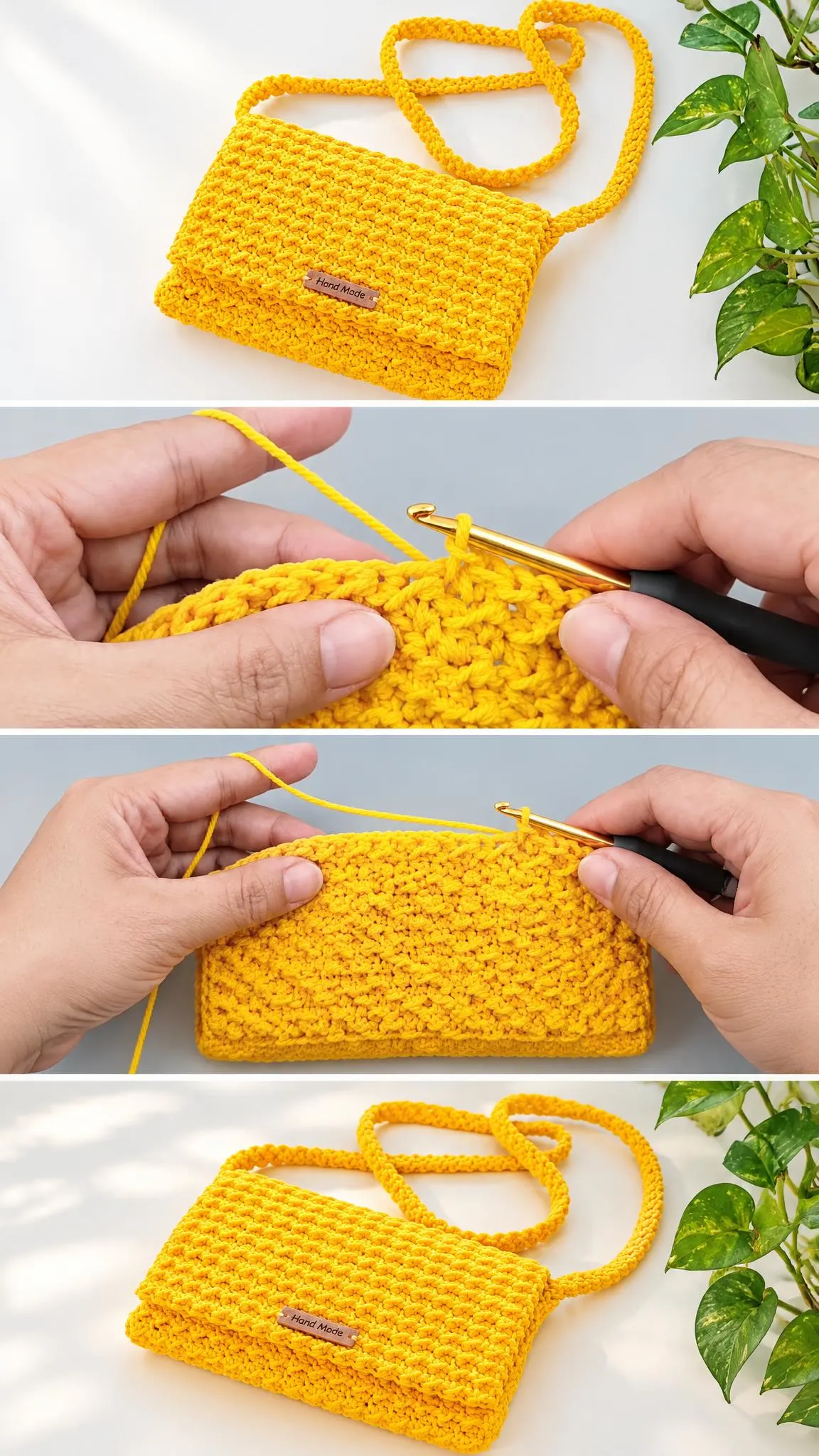
Several stitch families can create this kind of dimensional effect, including half double crochet worked in specific sequences and clustered stitches placed in alternating rows. The key idea is that the stitches are arranged so that some sit higher on the surface than others. When you work with a consistent tension, these raised areas line up into a repeating rhythm across the front panel.
Because the texture is the star of the design, keeping the front panel smooth in its outline matters. Even edges and consistent row heights help the pattern read clearly from a distance. If the fabric pulls in one direction, the raised pattern can look uneven, so pausing to check your tension every few rows is a useful habit.
The flap deserves similar attention. Its layered appearance comes from the way the front section is joined to the body. Working the flap in the same texture creates visual continuity, while a slightly different edge treatment can help define where the flap ends and the main body begins.
Shaping the Body and Strap
A bag with good structure depends on how its parts relate to each other. The base should be worked to sit flat, so the bag can stand or rest neatly on a surface. The sides define the depth of the bag, and a slightly firmer fabric in those areas helps the body keep its outline when it is partly filled.
The strap is more than an accessory detail. A long, narrow strap worked in a dense stitch resists stretching and stays comfortable across the shoulder. Attach it securely at both ends, reinforcing the joins if the bag will carry heavier items. You might also consider adjusting the strap length to suit how you prefer to wear the bag, whether crossbody or on one shoulder.
Styling and Everyday Use
This mini sling works beautifully with relaxed everyday outfits. Pair it with a plain white T-shirt, light denim, and sneakers for a casual look that lets the yellow stand out. For a more polished day, combine it with a cream dress or neutral trousers, where the bag becomes a bright focal point rather than a competing detail.
Think about the occasions where a compact sling is most useful. Farmers markets, summer festivals, museum visits, and short city walks all call for something light and hands-free. Because the bag is small, it encourages you to carry only the essentials, which many people find more relaxing than lugging a large tote.
The bag also makes a thoughtful gift. Choose a colour that matches the recipient’s wardrobe or favourite palette, and consider adding a small handmade tag or a personal touch to the flap. Presenting it with a few small items inside can turn it into a complete, ready-to-use gift.
Finishing Touches for a Polished Result
Finishing is where a handmade bag gains its professional look. Weave in all loose ends carefully, running them through the stitches along the inside of the bag so they stay hidden and secure. Loose tails left on the surface can work free over time, and tidy finishing prevents that from happening.
Blocking can help shape the fabric before the final assembly. Gently wet the crochet, shape the panels to their intended dimensions, and allow them to dry flat. Always check the care label of your yarn before soaking, as some fibers require gentler handling or should be spot-cleaned only.
Take time with the closure and strap attachments as well. Test the flap by opening and closing it several times, and check that the strap does not twist. A small adjustment at this stage prevents frustration once the bag is in regular use.
A Bag Worth Making
A crochet mini sling bag combines structure, texture, and daily usefulness in a project that feels rewarding from start to finish. Its clean outline and dimensional stitches give it a distinctive character, while its compact size makes it easy to carry and style. If the textured surface and tidy flap appeal to you, follow along with the video below and pause whenever you need to match a step to your own work.
Sunny, sturdy, and genuinely useful, this little bag proves that a handmade accessory can be both charming and practical.
Follow us on Pinterest and subscribe to the Newsletter so you don’t miss a thing!
Tutorial and photos of this mini sling bag by: ViVi Berry Crochet.