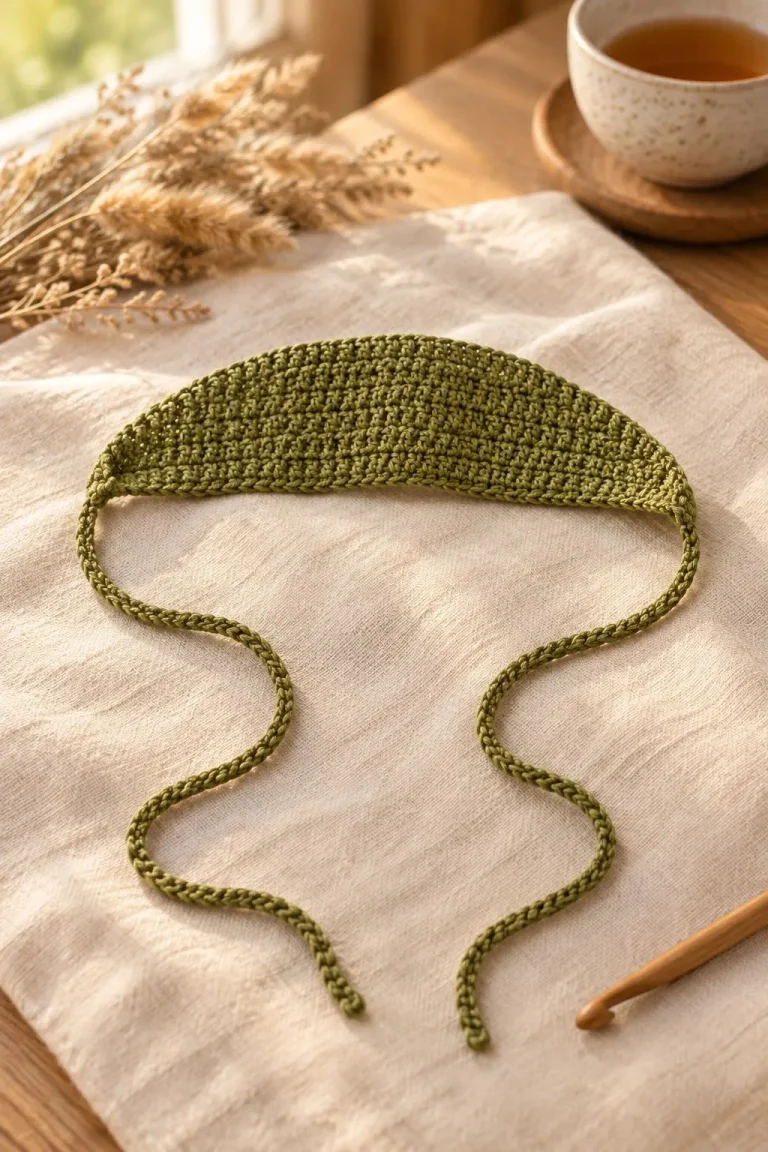
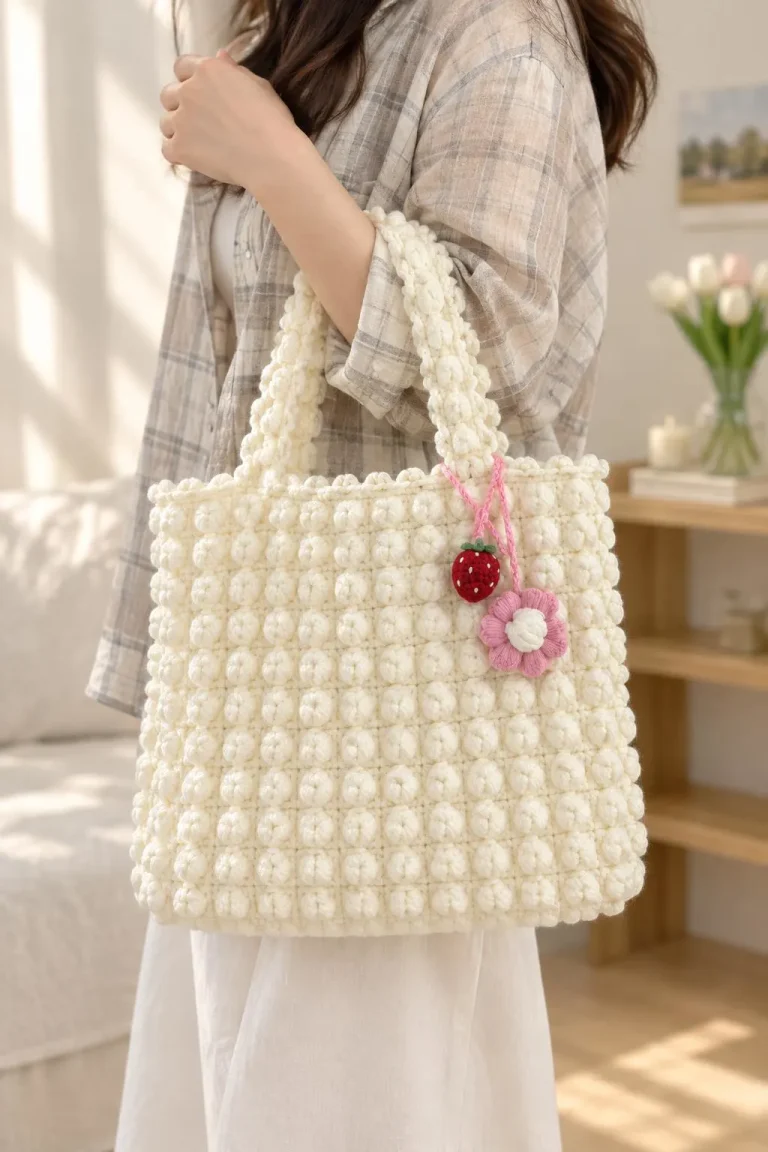
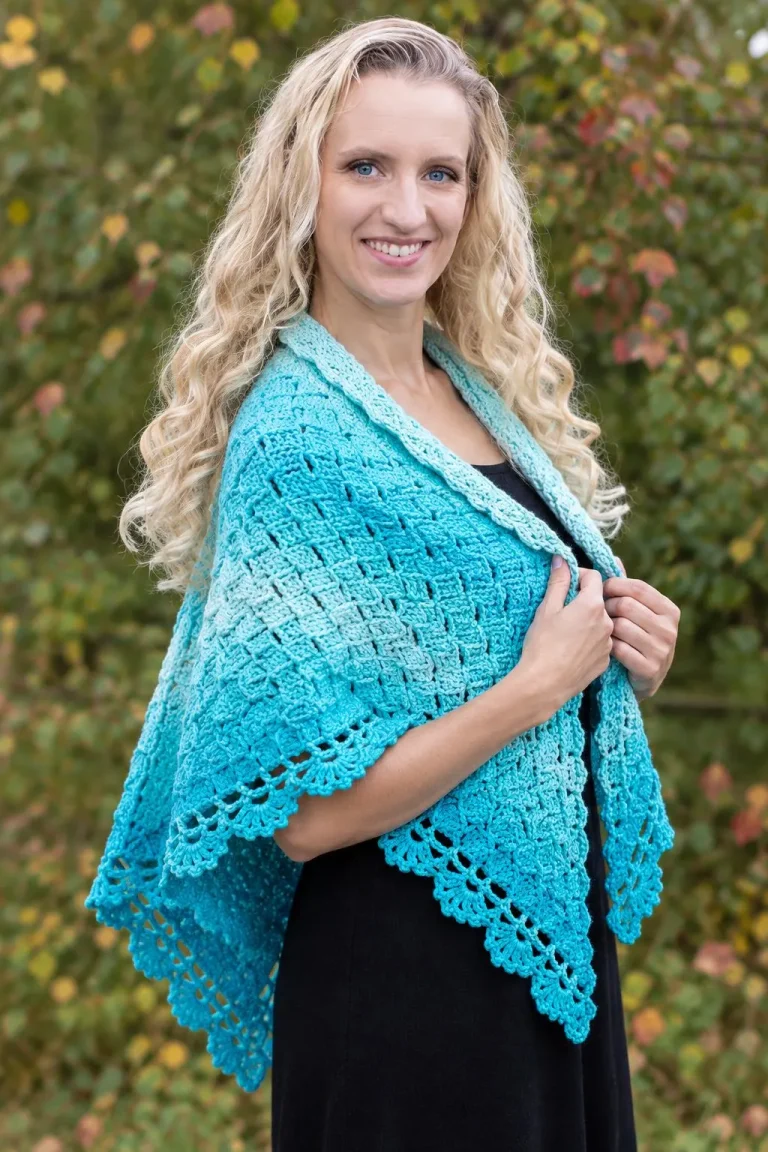
The bow stitch texture is a lovely crochet surface that turns a simple fabric into something rich and dimensional. Its open, lacy rhythm makes it a favorite for projects that need personality without heavy effort, from wearable pieces to tote-style bags and home accessories.
In this post
Understanding the Bow Stitch Texture
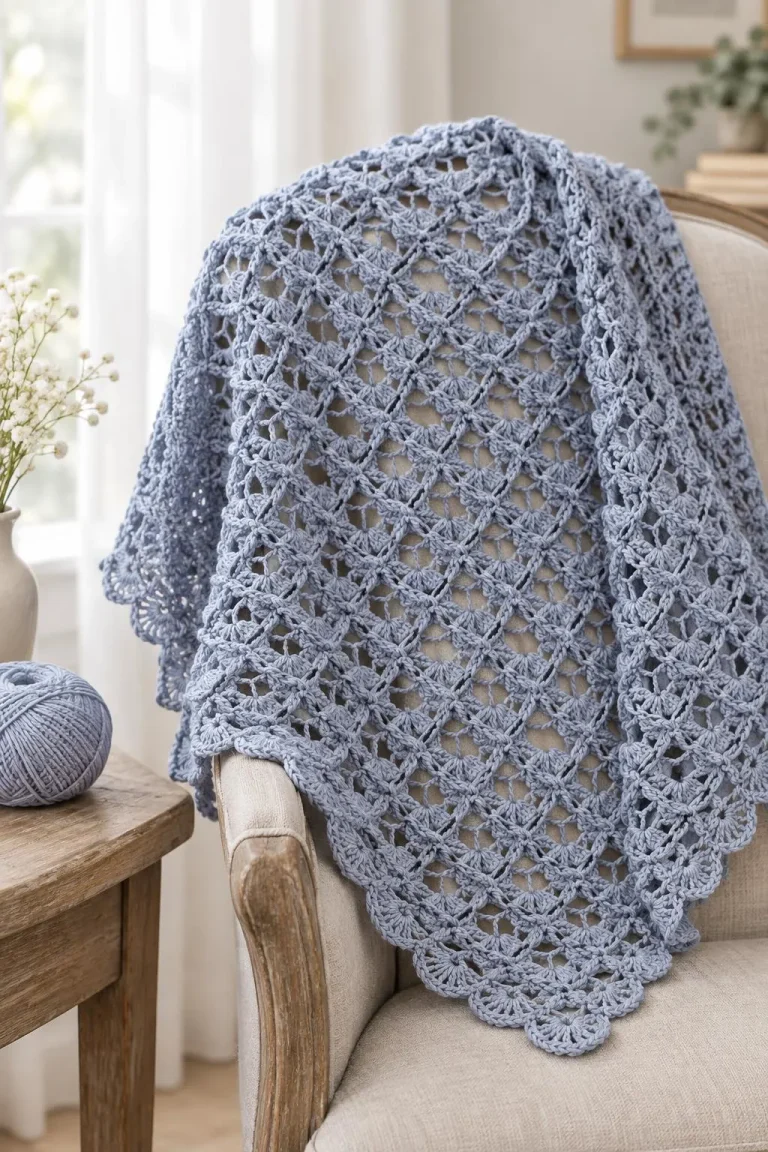
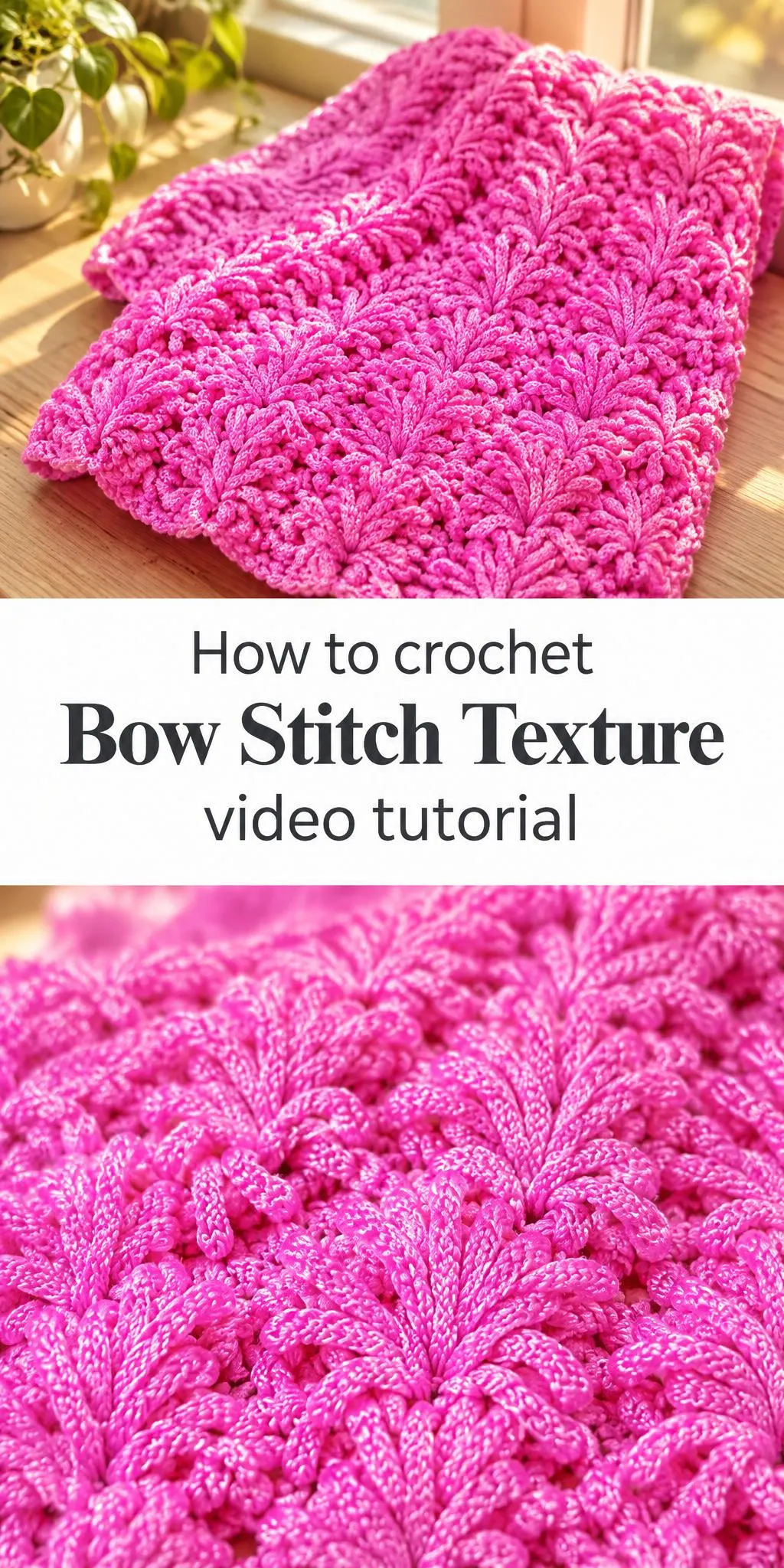
The most striking thing about this texture is how it moves. Rows of clustered loops rise from the fabric in soft, rounded arcs, creating small pockets of shadow between them. Where the stitches gather together, the surface looks almost like a row of tiny fans or bows, and where they separate, open windows appear that let the eye travel through the work. The result feels airy yet structured.
That combination makes the texture so versatile. It drapes gracefully enough for a summer top or a shawl, but it also holds its shape well enough for a structured bag or a cushion cover. Because the pattern is built from repeated motifs, it has a calm, even rhythm that suits both bold single colors and gentle variegated yarns. Think of it as a background that still has plenty to say.
Stitch Texture Related Posts:
- Crochet Tunic Blouse: A Chic and Airy Handmade Staple
- Crochet Ribbed Crop Top: A Chic and Flattering Wardrobe Essential
- Crochet Striped Tunisian Stitch Shawl: A Cozy and Elegant Essential
- Crochet Textured Tote Bag: A Stylish Handmade Staple
Choosing Materials for a Clear Texture
Yarn choice has a major effect on how the bow stitch reads. A smooth, mercerized cotton will show every stitch crisply, giving sharp edges to each bow and emphasizing the lacy openings. A softer acrylic or cotton blend will produce a more cushioned surface with gentler shadows, which works well for blankets and cozy accessories. For a textured bag, a slightly firmer yarn helps the fabric keep its shape after repeated use.
Hook size should match the yarn and the result you want. A hook a little smaller than the label suggests usually creates a denser fabric with more defined bows, which is ideal for bags and garments that need stability. A slightly larger hook opens the lace and gives a softer drape. Test a small swatch first and wash it if the finished item will be laundered, since fibers can shift in size once wet.
How the Stitch Builds Its Character
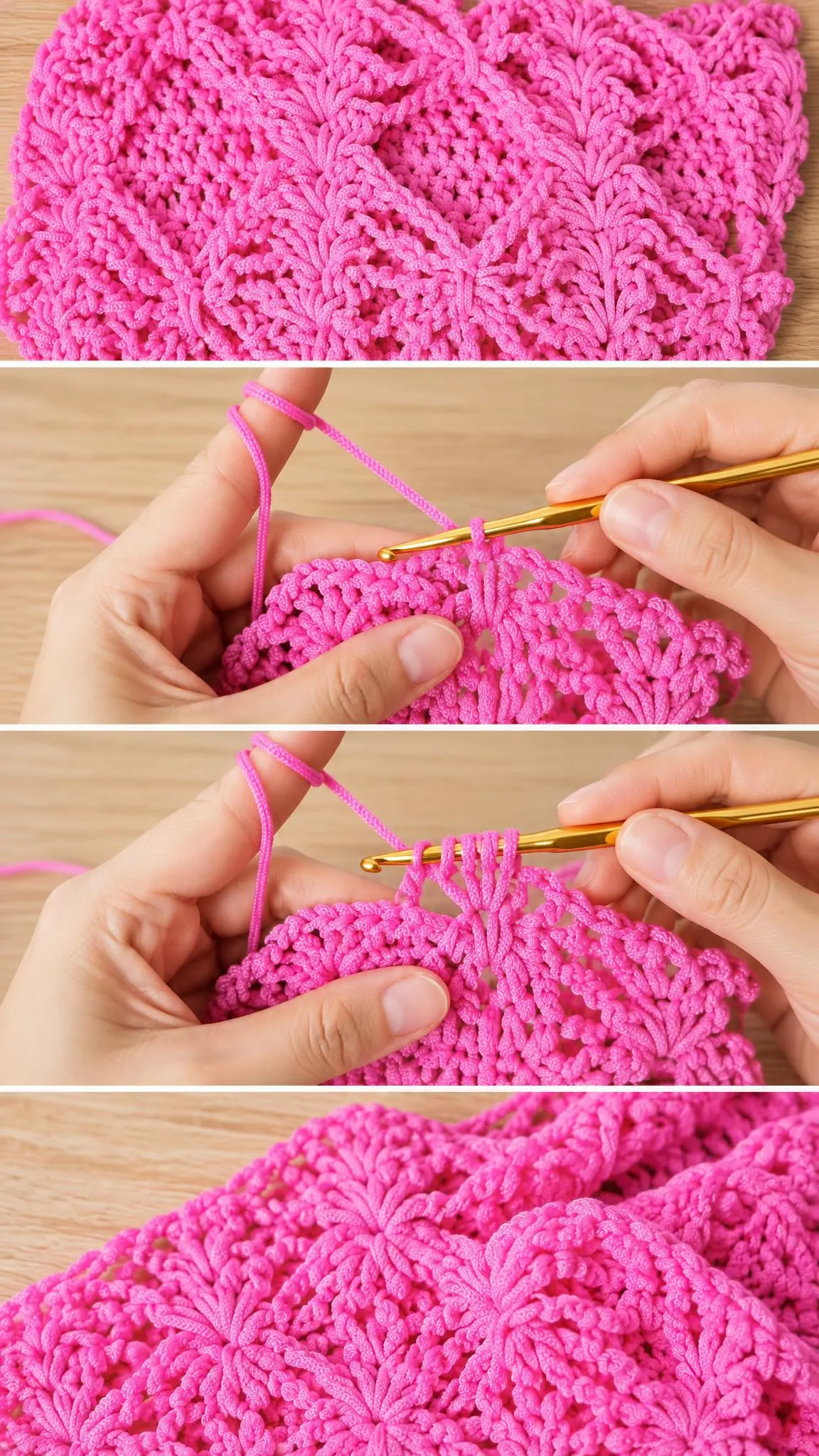
The bow texture relies on grouping stitches so they lean into one another. Each cluster pulls its neighbors toward the center, which is why the surface looks gathered and dimensional. Keeping your tension even is the key to achieving uniform bows; if some clusters are tight and others loose, the rhythm breaks and the texture looks uneven rather than intentionally lacy.
Placement of the bows across the row also shapes the overall look. When the clusters line up directly above one another, the design feels structured and geometric. When they are offset from row to row, a more flowing, organic pattern emerges. Both approaches are valid, so consider which mood suits your project before you begin.
Working With Color Repeats
Color changes can highlight the bows beautifully. A single solid shade, such as a deep plum or a crisp white, lets the sculptural form speak for itself. Two contrasting tones, for example a warm coral with a soft cream, can outline each bow and make the openings pop. For a gentler look, choose tonal shades of one color so the texture reads as shadow and light rather than pattern.
Using Your Bow Stitch Creation
A piece worked in this texture suits many everyday settings. A lightweight scarf or wrap pairs easily with plain denim and a neutral coat. A sturdy bag brings softness to a casual outfit or adds interest to a simple dress. Small items such as coasters, pouches, or cushion covers show off the texture on a manageable scale, which makes them excellent first projects with this stitch.
Styling is also a matter of balance. Because the surface is busy, let the rest of your look stay calm. Simple silhouettes, solid colors, and understated jewelry allow the texture to be the focal point. In a home setting, place a textured cushion against a smooth throw or a plain linen sofa so the crochet has room to be noticed.
Finishing for a Polished Result
Finishing makes a noticeable difference in this stitch. Weave in your ends carefully along the wrong side, and avoid pulling them through the bows, where they can create lumps. Blocking, gently shaping the piece while damp and letting it dry flat, helps the bows sit evenly and opens the lace without flattening the dimension. Work with the fiber’s needs in mind, since some yarns relax and others need pinning more firmly.
Attention to edges completes the look. A neat border in a simple single crochet or a contrasting picot can frame the texture and prevent the outer rows from curling. Check that your edges are even on both sides, because small differences become obvious against such a pronounced pattern.
Bow stitch texture rewards patience and careful tension, and every finished row reveals more of its gentle movement. Take time with your yarn and hook, enjoy the rhythm of the repeats, and let the finished piece show off its quiet dimension. For the exact stitch sequence and row-by-row guidance, follow the video below and pause whenever you need to.
Follow us on Pinterest and subscribe to the Newsletter so you don’t miss a thing!
Tutorial and photos of this bow stitch texture by: Chompu Handicrafts.